
10 Commercial Aircraft With the Lowest Operating Costs Ranked

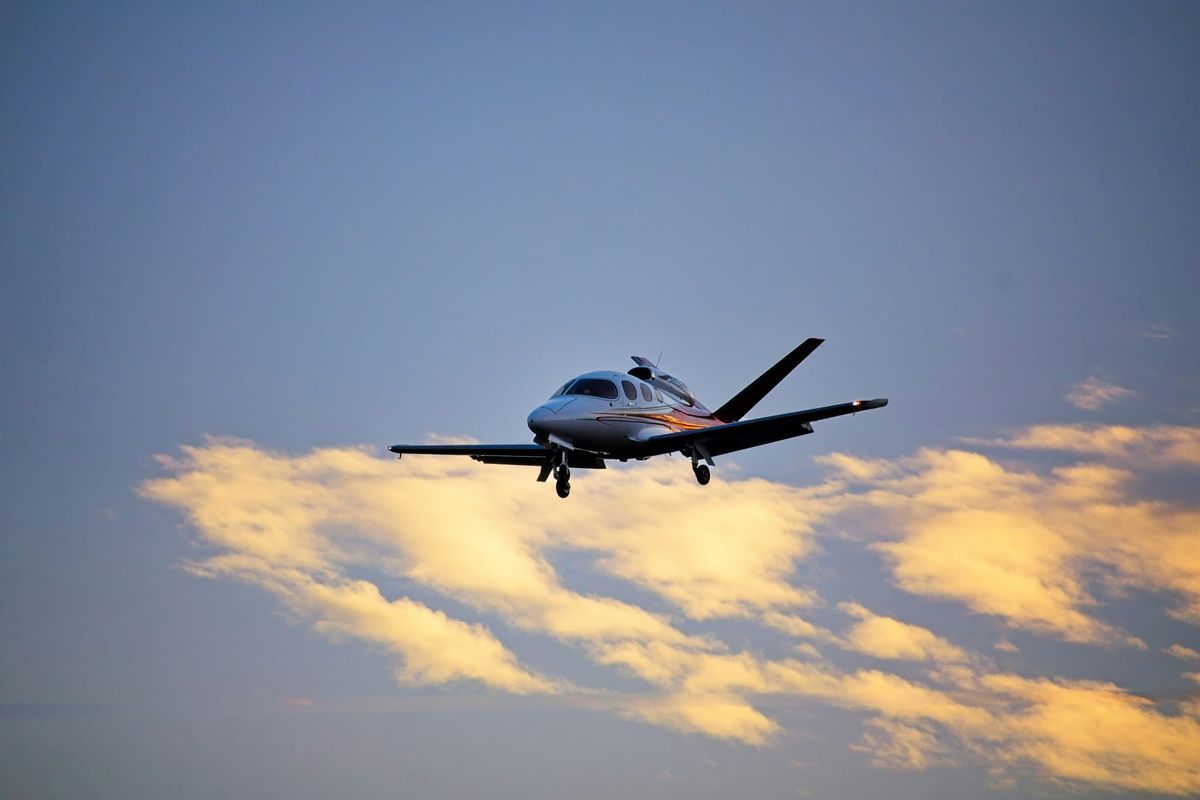
The commercial aircraft with the lowest operating costs are usually smaller turbine models. They use less fuel and often need fewer crew and maintenance resources.
Your hourly operating cost depends on fuel burn, maintenance, engine reserves, airport fees, and crew expenses. Lower hourly costs can help you control spending, but they don’t show the full financial picture.
You also need to compare total cost of ownership, including purchase price, insurance, hangar space, training, and annual use. This list looks at 10 low-cost commercial aircraft and helps you match each option to your mission.
How Operating Cost Rankings Are Measured
Operating-cost rankings compare aircraft using the same fuel price, route length, and operating conditions. You need both hourly costs and per-passenger results to see which aircraft fits your airline’s actual use.
Direct Costs Versus Fixed Ownership Costs
Direct operating costs rise when you fly more. They include fuel costs, maintenance, engine reserves, crew-related flight costs, airport charges, and navigation fees.
Fuel is usually the largest variable cost. You can estimate it by multiplying fuel consumption in gallons per hour by the fuel price.
For example, if an aircraft burns 700 gallons per hour at $6 per gallon, you’re looking at $4,200 per flight hour. Fixed costs don’t change much with each flight.
These can include aircraft financing or lease payments, insurance, hangar space, management, and some staff costs. A low hourly direct cost doesn’t always mean a low total cost of ownership.
You should include fixed costs when comparing aircraft for a full year, especially if your fleet flies limited hours.
Why Annual Flight Hours Change the Result
Annual flight hours spread fixed costs across each flight. If an aircraft racks up $2 million in yearly fixed costs, that’s $2,000 per flight hour at 1,000 annual hours—but only $1,000 per hour at 2,000 hours.
This changes cost rankings. A larger aircraft may have higher fuel burn and maintenance costs, yet its fixed costs can become less important per hour when you use it heavily.
You should compare aircraft at the same annual flight-hour level. A ranking based on 500 hours per year might not match your result if you operate 3,000 hours annually.
Cruise speed also matters. Faster aircraft may complete more trips in a day, but they can use more fuel per hour.
You should measure cost per flight and cost per block hour, not cruise speed alone.
Cost Per Passenger and Seat-Mile Comparisons
Hourly cost doesn’t show how efficiently an aircraft carries people. Divide total trip cost by the passenger count to get cost per passenger.
Passenger capacity matters, but a full aircraft and a half-empty aircraft produce very different results. A 180-seat aircraft can have a low cost per seat-mile, but if it carries only 90 passengers, the cost per passenger rises sharply.
Use cost per available seat-mile to compare aircraft capacity, and use cost per passenger-mile when you know expected load factors. These measures include fuel burn, maintenance, crew, and other operating costs over a set distance.
For a fair comparison, use the same route length, fuel price, passenger count, and flight assumptions. An aircraft with lower fuel consumption may rank better on short routes, while a larger aircraft may perform better when you fill more seats on longer flights.
The 10 Lowest-Cost Commercial Aircraft
Operating cost depends on fuel prices, maintenance plans, crew needs, flight hours, and route length. These aircraft keep direct costs lower than larger jets while serving private charter, corporate travel, and owner-operated missions.
Cirrus Vision Jet SF50
The Cirrus Vision Jet SF50 is a single-engine jet with room for up to seven people. Commercial operators usually use fewer seats for comfort and baggage.
Its Williams FJ33 engine uses less fuel than the two engines fitted to most very light jets. You can operate the SF50 with one pilot, which cuts crew costs on suitable commercial flights.
The aircraft has a carbon-fiber airframe, a Garmin Perspective Touch+ flight deck, and a whole-aircraft parachute system. Its practical range is about 1,200 nautical miles, making it best for short regional trips.
You may find its cabin and baggage space limiting on full flights. Still, its lower fuel burn and simplified engine maintenance help keep hourly costs under control.
Eclipse 550
The Eclipse 550 is a compact very light jet, or VLJ, designed for low fuel use and single-pilot operation. It uses two Pratt & Whitney Canada PW610F turbofan engines, so you get twin-engine redundancy without the fuel costs of bigger light jets.
You can usually carry four passengers in a tight but functional cabin. The aircraft cruises at over 370 knots, so you can cover short business routes faster than turboprops and piston aircraft.
The Eclipse 550 features an integrated avionics system and a simple operating concept. Its small cabin, limited baggage area, and modest range make it less suitable for long charter missions.
It works best when you need efficient transport for one to three passengers on trips under about 1,000 nautical miles.
Cessna Citation Mustang
The Cessna Citation Mustang is a popular choice in the used VLJ market because it combines modest acquisition prices with predictable operating needs. It uses two Pratt & Whitney Canada PW615F engines and carries up to four passengers in its standard cabin layout.
You can fly the Mustang with one pilot, which matters for owner-operators and small charter companies. Its Garmin G1000 cockpit offers a familiar, widely supported avionics platform.
The Mustang cruises at roughly 340 knots and has a typical range near 1,100 nautical miles. You’ll get less cabin space and lower cruise performance than newer light jets.
Still, its fuel burn, maintenance support network, and established parts supply can make it one of the lower-cost twin-engine business jets to operate.
HondaJet HA-420
The HondaJet HA-420 is a VLJ with two over-the-wing-mounted GE Honda HF120 engines. This layout frees up cabin space since the engines don’t take up room at the rear of the fuselage.
You can seat four passengers in the standard configuration, with an enclosed lavatory and a separate baggage compartment. The aircraft can cruise at about 420 knots, giving it better speed than many early very light jets.
Its fuel use stays below that of larger light jets. You can operate it with a single pilot when regulations and operator procedures allow.
You should account for specialized maintenance requirements, especially if you operate far from HondaJet service centers. The HA-420 suits short to medium business flights where cabin comfort matters more than maximum passenger count.
Embraer Phenom 100
The Embraer Phenom 100 is a well-known light jet and VLJ option for charter and training operations. It uses two Pratt & Whitney Canada PW617F engines and usually seats four passengers, though some layouts list more seats.
You can operate the Phenom 100 with one pilot, helping reduce staffing costs. Its Prodigy avionics suite, based on Garmin technology, supports pilots moving from other Garmin-equipped aircraft.
The aircraft has a wider cabin than several early VLJs and offers a private lavatory area. Its range is generally near 1,100 nautical miles with reserves, depending on payload and conditions.
You’ll pay more per hour than for a single-engine jet. But the Phenom 100 gives you twin-engine capability, solid support, and practical commercial utility at a lower cost than larger light jets.
Cessna Citation M2
The Cessna Citation M2 is a modern light jet based on the CitationJet family. It uses two Williams FJ44 engines, which provide stronger climb and cruise performance than the engines found on many VLJs.
You can carry up to six passengers, but four to five passengers are more practical when you need full fuel and baggage. The Garmin G3000 flight deck supports single-pilot operation and reduces workload through touchscreen controls and integrated systems.
The M2 can cruise near 400 knots and fly routes of roughly 1,500 nautical miles under good conditions. It costs more to run than a Mustang or Vision Jet.
Still, it gives you a larger cabin, better payload, and more route flexibility. For commercial operators, it can cover more profitable missions without entering midsize jet operating costs.
Cessna Citation CJ3+
The Cessna Citation CJ3+ sits above entry-level light jets in cabin size, range, and performance. Its two Williams FJ44 engines deliver efficient cruise performance while sticking to the operating approach that made the CitationJet family popular.
You can configure the cabin for up to nine occupants, but most commercial layouts carry six to seven passengers comfortably. The CJ3+ has a range of about 2,000 nautical miles, so you can fly many nonstop domestic routes that smaller jets can’t cover.
Single-pilot certification can lower crew expenses, though commercial rules, insurance, and company policy may require two pilots. Its direct hourly cost is higher than that of VLJs, but you can spread that cost across more seats and longer trips.
You get a useful balance between light-jet economics and midsize-jet mission capability.
Embraer Phenom 300E
The Embraer Phenom 300E is one of the larger and faster light jets out there. It uses two Pratt & Whitney Canada PW535E engines and can reach cruise speeds above 450 knots.
You can seat up to 10 people, though typical charter layouts accommodate seven to nine passengers. The cabin includes a private rear lavatory, better baggage capacity than most VLJs, and a flat-floor design that improves passenger comfort.
Its range of about 2,000 nautical miles lets you serve longer regional and domestic routes without frequent fuel stops. The Phenom 300E has higher fuel and maintenance costs than small light jets, but it offers strong productivity per flight hour.
You can move more passengers at higher speeds and avoid much of the expense linked to midsize jets and large cabin jets.
Challenger 350
The Bombardier Challenger 350 is a midsize jet with a larger cabin and longer range than the light jets on this list. It uses two Honeywell HTF7350 engines and usually carries eight to 10 passengers in a comfortable charter configuration.
You need two pilots for commercial operations, which raises crew costs compared with single-pilot aircraft. The Challenger 350 can fly about 3,200 nautical miles, so it can handle many transcontinental routes nonstop.
Its direct operating cost is higher than a VLJ or light jet, but it’s still economical within the midsize jet class. The aircraft offers a wide cabin, enclosed lavatory, substantial baggage space, and strong dispatch reliability.
You can use it when your passengers need more room and range but don’t require the cost and capacity of large cabin jets.
Citation X
The Cessna Citation X is a large, fast business jet that can still offer competitive operating value for its performance level. It uses two Rolls-Royce AE 3007C engines and has long been known for cruise speeds near Mach 0.90.
You can carry about eight passengers in a typical commercial cabin, with space for an enclosed lavatory and baggage. Its range is around 3,000 nautical miles, depending on model, payload, and flight conditions.
You’ll face higher fuel use, maintenance expense, and crew costs than with light jets or midsize jets. Still, its high cruise speed can reduce block time on longer routes, which might improve cost efficiency when time is valuable.
The Citation X fits missions where you need large-cabin-jet-like speed without stepping into the operating costs of the largest aircraft.
Why Smaller Turbine Aircraft Lead on Hourly Cost
Smaller turbine aircraft usually burn less fuel, need fewer crew members, and carry lower maintenance reserves. Your best choice depends on passenger capacity, trip length, and whether you fly the aircraft yourself.
Very Light Jets and Single-Pilot Economics
Very light jets give you jet speed without the costs of a larger flight department. Aircraft like the Cirrus Vision Jet, Embraer Phenom 100, and Cessna Citation Mustang usually carry four to six passengers and can often operate with just one pilot.
Single-pilot approval can cut crew salaries, training costs, hotel bills, and scheduling headaches. This is especially helpful if you’re an owner-operator with the right ratings who flies your own trips.
Fuel burn stays pretty low for a jet. Most very light jets burn about 70 to 110 gallons per hour, depending on altitude, speed, and load.
They’re best for fast trips of roughly 500 to 1,200 nautical miles. If you want maximum cabin space, you’ll probably want something bigger.
Light Jets for Larger Passenger Loads
Light jets bump up passenger capacity but still keep costs below midsize jets. Think Citation CJ series, Phenom 300, and HondaJet—they usually seat six to eight passengers, though with full baggage, it might get a little tight.
You get a bigger cabin, more range, and higher cruise speed than most very light jets. But fuel consumption climbs to around 120 to 180 gallons per hour.
Many light jets still allow single-pilot ops, but sometimes you’ll want two pilots for insurance or longer flights. That choice can really change your hourly cost since crew salaries don’t drop just because you fly less.
Turboprops as a Lower-Burn Alternative
A turboprop uses turbine power to drive a propeller, not jet thrust. It cruises slower than jets but can be a smart value for short and medium trips.
Planes like the Pilatus PC-12, Daher TBM series, and Beechcraft King Air can carry good loads into shorter runways. That gets you closer to your final destination, which is always nice.
Single-engine turboprops usually burn about 45 to 90 gallons per hour. Twins burn more but might still cost less per hour than similar light jets.
You lose some cruise speed, but lower fuel burn and simpler missions make turboprops a practical option for a lot of folks.
When Midsize and Large-Cabin Jets Make Financial Sense
Midsize and large-cabin jets cost more per hour—they burn more fuel, need bigger maintenance budgets, and almost always require two pilots. Still, if you’re filling the cabin, the cost per traveler can drop.
A midsize jet might carry seven to nine passengers with more range and baggage room than a light jet. Large-cabin jets carry 10 or more, have stand-up cabins, and can fly long international routes with fewer stops.
You should look at these jets when your trips need serious range, real cabin comfort, or dependable group space. For short flights with just a few people, smaller jets or turboprops usually cost less.
Building a Realistic Annual Ownership Budget
You’ll want to separate fixed costs from those that go up with flight hours. Use up-to-date vendor quotes, your actual routes, and a reserve for surprises—don’t just look at purchase price.
Fuel, Maintenance, and Engine Reserve Planning
Fuel is usually your biggest direct operating cost. Estimate costs using the aircraft’s real cruise burn, your planned annual hours, and a fuel price that matches your usual airports.
Let’s say your plane burns 90 gallons per hour at $6.50 per gallon. That’s a $585 hourly fuel cost before taxes or uplift fees.
Add a little extra for price swings and extra fuel from taxi, climbs, or diversions. Build maintenance reserves by the hour, too.
Include scheduled inspections, tires, brakes, parts, and labor. Set aside a separate engine reserve.
- Fuel: gallons per hour × fuel price × annual flight hours
- Airframe maintenance: scheduled work plus some allowance for surprise repairs
- Engine reserves: hourly amount for overhaul, hot-section work, or parts that don’t last forever
Don’t let a low purchase price fool you if fuel burn or maintenance is high. Always check maintenance records before setting reserves.
Hangar, Insurance, Crew, and Subscription Expenses
Fixed costs keep ticking whether you fly or not. Your annual budget should cover hangar or tie-down rent, insurance, property tax if it applies, and management fees.
Hangar rates are all over the map. A heated hangar at a big business airport costs way more than outdoor storage at a small field, but it might protect your plane and improve reliability.
Crew salaries are a big chunk for larger aircraft. Remember to include salary, payroll taxes, training, travel, per diem, and relief coverage if you want consistent availability.
Don’t forget recurring subscriptions—navigation data, weather, satellite communications, maintenance tracking, and connectivity plans can add up.
| Fixed cost item | Budget approach |
|---|---|
| Insurance | Get annual quotes based on aircraft, pilots, and use |
| Hangar | Include rent, utilities, and airport access fees |
| Crew | Add training and employment costs, not just salary |
| Subscriptions | Review monthly plans and annual renewals |
Engine Overhaul Coverage and Residual Value
Engine overhaul timing can swing your operating costs a lot. Check engine hours, cycles, calendar limits, and the manufacturer’s inspection schedule.
If you own a piston aircraft, set aside funds for the full overhaul. For turbine aircraft, check if an engine program covers shop visits, life-limited parts, and removal labor.
Engine coverage makes costs more predictable, but you’ll pay a recurring hourly or monthly fee. Compare program terms with self-funded reserves, including what happens if you sell.
Residual value matters, too. An aircraft with complete logs, current inspections, good engine status, and up-to-date avionics usually holds value better than one with deferred work.
Budget for upgrades and repairs that protect resale value. A cheaper aircraft can lose its edge if it needs an engine overhaul or big inspection before you sell.
Choosing the Right Low-Cost Aircraft for the Mission
Low operating cost comes down to matching the aircraft to your typical routes, passenger count, and schedule. The purchase price matters, but fuel, maintenance, crew, insurance, and compliance shape your real cost of ownership.
Matching Range, Speed, and Cabin Needs
Start with your usual trip length, not the longest one you might fly once a year. A light aircraft can be cheaper to operate, but you might need fuel stops or run out of room for people and bags.
For two people on short regional flights, a Cessna 150 or Aeronca Champ can be among the cheapest planes to own and operate. These little piston planes sip fuel compared to jets, but they’re slow, limited on payload, and not great in bad weather.
Business trips with four to seven passengers? Speed can justify higher costs. A Cessna Citation CJ3 or Embraer Phenom 300 gives you jet speed and a pressurized cabin, but you’ll need a bigger budget than for most light aircraft.
Check these mission factors before you buy:
- Passenger count: Don’t forget bags and fuel load.
- Typical range: Plan for reserves, weather, and alternates.
- Cruise speed: Faster planes save time but burn more fuel.
- Airport access: Runway length and noise rules can rule out some models.
Buying Used Versus New
Used aircraft usually cost less upfront, and depreciation often hits new models harder. A well-kept used piston plane can offer low hourly costs, especially if you’re flying it yourself.
But a low sticker price doesn’t always mean low cost. Older aircraft may need avionics, engine work, corrosion repair, or a new interior. Always check logs, damage history, engine hours, and upcoming inspections.
New aircraft come with warranties, new avionics, and fewer early maintenance surprises. They cost more upfront and often lose value faster in the first few years.
Always get a pre-purchase inspection from an independent mechanic or shop. Factor in expected upgrades and reserves when you look at total cost—not just the sale price.
Comparing Jet Ownership With Piston Aircraft and Light Aircraft
A piston aircraft usually gives you the lowest direct operating cost for short trips and small groups. Fuel, maintenance, and insurance are all lower than for turbines.
Jets make more sense when you need higher cruise speed, longer nonstop trips, or a pressurized cabin at altitude. A Citation CJ3 or Phenom 300 can handle missions that would be slow or impractical in a piston plane.
Compare by mission, not just hourly rate. A jet may cost more per hour but save you an overnight stop, a fuel stop, or even a lost business day.
| Aircraft type | Best fit | Main cost concern |
|---|---|---|
| Piston aircraft | Short trips, 1–4 passengers | Engine reserves and weather limits |
| Light aircraft | Training, local travel, low payload | Limited range and cabin space |
| Light jet | Business routes, 4–7 passengers | Fuel, crew, and maintenance programs |
Compliance and Sustainable Aviation Fuel Considerations
Your aircraft needs to meet all the right FAA rules for its operation. Commercial use might require different certifications, pilot qualifications, maintenance programs, and recordkeeping than private flying.
Don’t assume a low-cost plane can go everywhere. ADS-B, navigation gear, noise rules, and airport requirements can all add costs.
Sustainable aviation fuel (SAF) can lower lifecycle carbon emissions compared to regular jet fuel, but it’s not available everywhere and can cost more. Most turbine aircraft use SAF only if it meets approved specs and blend limits.
Piston planes use aviation gasoline, not jet fuel or most SAF products. Always check fuel availability at your usual bases and destinations before you buy.
Frequently Asked Questions
Operating cost comes down to fuel burn, seat count, route length, labor, and maintenance. Turboprops usually win on short routes, while newer regional jets can save fuel on longer sectors.
Which commercial aircraft has the lowest operating cost per flight hour?
For scheduled passenger service, the ATR 42-600 is often one of the lowest-cost aircraft per flight hour. It burns less fuel than regional jets and seats about 50 people.
A small turboprop like the ATR 42-600 or De Havilland Dash 8-300 usually costs less per hour than a 70- to 100-seat regional jet. Your real cost depends on fuel prices, flight hours, maintenance contracts, and local labor.
What factors determine the operating costs of a commercial aircraft?
Fuel is one of the biggest variables. Newer engines, lighter weight, and more seats can help lower fuel cost per passenger.
You’ll also need to budget for maintenance, engine reserves, crew pay, airport fees, insurance, navigation charges, and ground handling. Aircraft ownership, leasing, and financing add major fixed expenses.
Route length matters, too. Short flights burn more fuel during takeoff and climb, so cost per mile can be higher on a 200-mile route than a 600-mile one.
Which regional jets are the most economical to operate?
The Embraer E175, E190-E2, and E195-E2 are among the more economical regional jets. They pair lower fuel use with seat counts that fit many regional routes.
If you need about 70 to 80 seats, the E175 is a common pick—broad airline support and established maintenance networks help. For 100 to 146 seats, the E2 models can burn less fuel than older E-Jets.
The Airbus A220-100 is also a solid option if you need more seats and longer regional routes.
Are turboprop aircraft cheaper to operate than regional jets?
Yes, turboprops usually cost less to run on short routes. The ATR 72-600 and Dash 8 Q400, for example, burn less fuel and have lower engine costs than regional jets.
You’ll see the biggest savings on routes under about 400 nautical miles. Turboprops are slower, though, so you have to weigh lower costs against longer travel time.
Regional jets can make sense when speed matters, routes are longer, or you need higher altitudes in bad weather.
How much does it cost to operate a commercial airliner per hour?
A 50- to 80-seat turboprop usually racks up direct operating costs of about $2,000 to $4,000 per flight hour. That number covers things like fuel, maintenance reserves, crew pay, and regular operating expenses.
Regional jets tend to cost around $3,500 to $6,500 per flight hour. If you’re looking at bigger narrow-body planes—think Airbus A320neo or Boeing 737 MAX 8—you might see costs from $6,000 to $12,000 or more per hour.
Add in lease payments, ownership costs, airport fees, insurance, and corporate overhead, and your total goes up fast. Fuel prices? Those can swing your hourly costs all over the place.
Which aircraft offers the best fuel efficiency for short-haul routes?
The ATR 72-600 stands out for fuel efficiency on short-haul routes. It seats about 60 to 78 passengers.
This turboprop handles sectors between 200 and 500 nautical miles pretty well.
If jet speed matters more to you, the Embraer E190-E2 and E195-E2 burn less fuel than most older regional jets.
Think about your route length, how many passengers you expect, and how fast you need to go before picking an aircraft.