
6 Best Light Jets to Lease for Regional Business Travel: Expert Guide

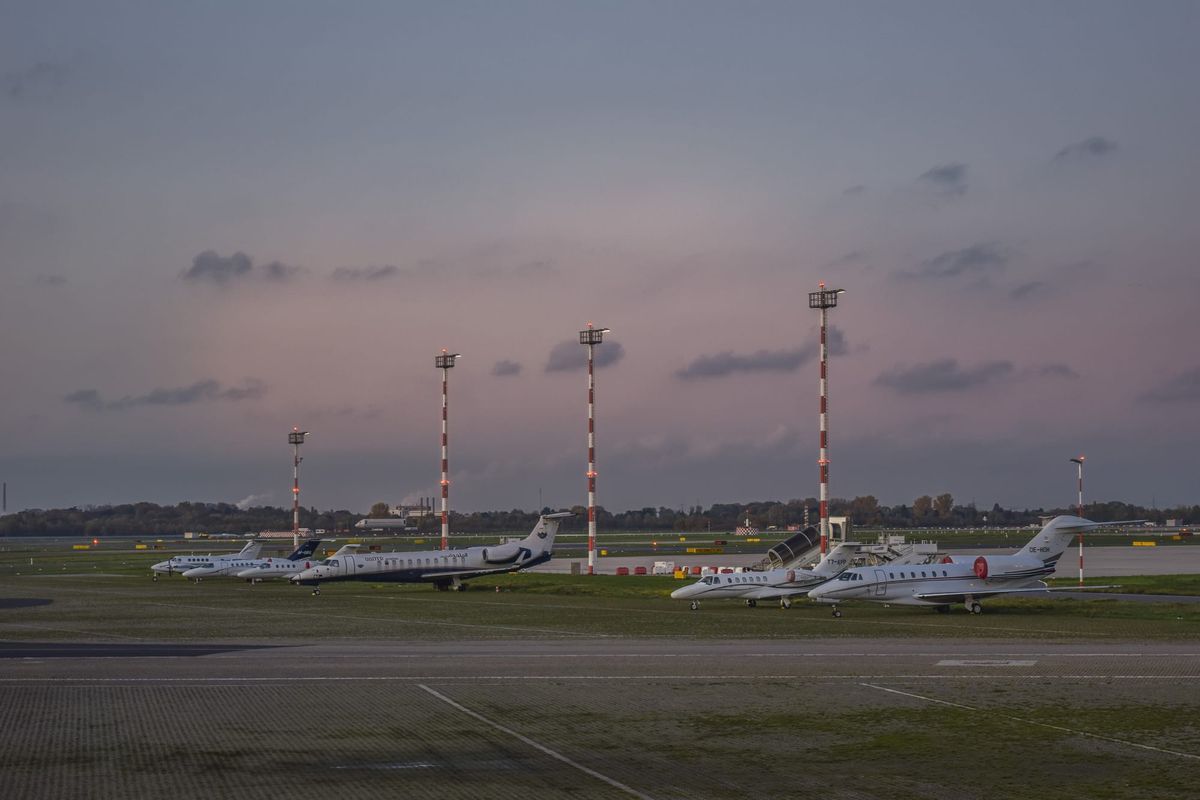
You need an efficient, comfortable way to move teams and executives across short regional routes without wasting time on commercial connections. Leasing a light jet gives you speed, airport flexibility, and a private aircraft cabin that stays productive between cities.
The best six light jets to lease for regional business travel give you a clear mix of range, cabin comfort, and operating cost so you can pick the model that fits your mission and budget.
Think about passenger count, real baggage needs, and runway limits first. Then compare jets by range and cabin layout.
Choosing the right light or very light jet lets you keep schedules tight. You can cut ground transfers and preserve work time in flight so every trip becomes a direct business advantage.
Key Takeaways
- Lease choices hinge on matching passenger and baggage needs to aircraft range.
- Light and very light jets balance speed and airport access for regional routes.
- Smart leasing focuses on mission fit, not just the lowest hourly rate.
Essential Features and Advantages of Light Jets
Light jets give you fast regional travel with lower operating costs, flexible airport access, and modern flight decks. You get seating for small teams, efficient fuel burn for short to mid-range trips, and avionics that let you fly more routes with fewer delays.
Passenger Capacity and Cabin Experience
Light jets typically seat 6–10 passengers, so you can carry a small executive team or family without empty seats. Cabin layouts range from club seating for meetings to forward-facing rows for work.
Look for flat-floor aisles and cabin heights around 4.5–5.5 feet if you want easier movement and longer comfort on 2–3 hour flights. Pay attention to baggage capacity.
Many light jets provide external baggage bays that handle golf bags and carry-ons without sacrificing cabin space. Climate control, cabin pressurization (usually 6,000–8,000 ft equivalent), and optional soundproofing matter for productivity.
If you need single-pilot dispatch, confirm certification first.
Avionics and Technology Integration
Modern light jets come with glass cockpits, integrated flight management systems, and LPV/WAAS approaches for precision work into regional fields. You should expect synthetic vision, ADS-B In/Out, and touchscreen flight displays on many newer models.
These features reduce pilot workload and improve situational awareness on short regional hops. Connectivity options like satellite voice/data and high-speed Wi‑Fi let you join video calls and send large files in flight.
Look for integrated FMS datalink and predictive weather tools to avoid diversions. If you plan frequent IFR trips, choose jets with proven auto-throttle and coupled VNAV for tighter fuel and time planning.
Fuel Efficiency and Operating Costs
Light jets burn less fuel than midsize or large-cabin jets, often cutting direct trip fuel cost by 30–60% versus larger types on similar legs. Typical hourly fuel burn ranges depend on model and cruise speed, so compare manufacturer trip fuel numbers for routes you fly most.
Lower fuel burn also reduces landing weight and can open smaller airports. Operating costs include fuel, maintenance reserves, insurance, and crew.
You should budget for lower fixed costs (hangar, ownership depreciation) if leasing rather than buying. For leasing, compare hourly maintenance reserves and dispatch reliability figures.
Efficient turbofan engines and simplified systems often mean fewer unscheduled maintenance events. This keeps your schedule stable.
Runway Access and Versatility
Light jets offer short-field performance that lets you use closer regional and municipal airports. Many models require takeoff distances under 3,500 feet at typical weights, so you can reach business parks or small-city airports that save ground time.
Some designs also handle semi-prepared strips, which broadens reach in remote regions. Using smaller airports often cuts airport fees and reduces delay risk.
Check aircraft performance tables for hot/high operations if you fly to mountainous airports. Also confirm single-pilot certification and ground support needs.
Fewer required services at destination airports makes ad‑hoc trips simpler and cheaper for your team.
Top Light Jet Models for Business Leasing
These light jets give you a mix of speed, range, cabin comfort, and low operating cost. Choose by how many passengers you carry, the runway length at your frequent airports, and whether you need a fully equipped galley or more luggage space.
Embraer Phenom 300 and Phenom 300E
The Embraer Phenom 300 family gives you a strong balance of speed and cabin size. The Phenom 300 cruises near 450–470 knots and seats up to seven, so you can do city-to-city trips quickly while keeping a small team together.
The Phenom 300E adds updated avionics, a refined cabin with larger windows, and optional interior layouts that improve headroom and storage. You’ll find the Phenom’s baggage compartment generous for its class, which helps on multi-city business runs.
Leasing often includes a light galley option for hot beverages and simple service. This makes in-flight meetings easier.
Cessna Citation CJ4 and Citation M2
Cessna’s Citation family covers different mission needs. The Citation CJ4 gives you near-class-leading range around 2,000 nm and a pressurized cabin that holds up to nine seats in some layouts.
It cruises at about 450 knots and handles well from shorter runways, which expands your airport choices. If you need a smaller, cost-efficient option, the Citation M2 is compact and simpler to operate.
The M2 fits four to six passengers comfortably and lowers hourly operating costs. Both models offer modern avionics and optional galley fittings.
Choose the CJ4 if you prioritize range and cabin space, or the M2 for tight budgets and short hops.
Pilatus PC-24
The Pilatus PC-24 blends light-jet speed with a rugged, flexible design. It cruises around 440 knots and stands out because it operates from grass, gravel, and short runways you can’t use with many light jets.
The PC-24’s cabin is wide and tall for the class, letting you fit a fully equipped galley and larger baggage. You get practical loading thanks to a full-size rear cargo door, which helps when you carry equipment or bulky samples.
Pilatus also offers multiple interior layouts. You can choose a club seating plan for meetings or a layout that maximizes baggage and galley space.
Bombardier Learjet 75
The Bombardier Learjet 75 focuses on speed and climb performance. You’ll reach cruise altitudes quickly and sustain cruise speeds around 450–470 knots, which shortens trip time between regional business centers.
The Learjet 75 cabin is slimmer than some competitors but still offers a light, quiet interior for focused work. Luggage space suits short to mid-range trips, and operators often fit a compact galley for coffee and light service.
Pick the Learjet 75 if you value fast point-to-point travel and strong performance from busy airports with high-traffic constraints.
Spotlight on Very Light Jets for Regional Routes
Very light jets offer fast climbs, low trip times, and access to many small airports. You should weigh cabin space, baggage limits, and runway needs against hourly lease costs and mission length.
HondaJet and HondaJet Elite
You get a modern cabin and efficient cruise in the HondaJet and HondaJet Elite. The over-the-wing engine mount reduces cabin noise and frees up fuselage volume, so the cabin feels roomier than other very light jets of similar length.
Expect seating for 4–6 passengers and cleaner baggage access for soft bags. Range sits near 1,200–1,400 nautical miles depending on payload and reserves, which fits many regional business legs.
Fuel burn and operating costs are lower than larger light jets, so your hourly lease rate can be more attractive for short hops. Check baggage dimensions before you book; hard cases often force compromises.
Embraer Phenom 100
The Phenom 100 stands out for a slightly more refined cabin and useful speed for short regional routes. It typically seats 4–6 passengers and offers a higher cruise speed than many VLJs, which shortens your block time on 1–2 hour missions.
You’ll see solid payload capability for its class, though baggage space is limited compared with true light jets. The Phenom 100’s avionics and systems suit owner-operators who want single-pilot approval, but confirm operator policies if you plan two pilots.
Its performance on short runways gives you more airport options for downtown business trips.
Cessna Citation M2 in the VLJ Category
The Citation M2 brings Citation lineage to the very light jet bracket, giving you the brand’s handling and reliability in a compact package. It commonly seats four with club seating and has good forward visibility for the pilot.
Its range and speed match many short regional needs while delivering a firm baggage policy that favors fewer, softer bags. If you value predictable dispatch and broad maintenance support, the M2’s network can reduce downtime and leasing risk.
Confirm single-pilot operation rules with the leasing company if you plan to fly the jet yourself.
Advantages of Single-Pilot Operation
Single-pilot capable VLJs cut crew costs and simplify scheduling for short business trips. You save on pilot salaries, hotel nights, and duty-time limits, which often improves lease economics for frequent regional use.
Single-pilot operations demand clear cockpit ergonomics and certified avionics that reduce workload. You must factor pilot currency and fatigue management into your leasing plan.
Also, some operators prefer two pilots for charter. Verify whether your lease or company policy allows single-pilot dispatch before you commit.
Optimizing Business Travel With Light and Very Light Jets
Light and very light jets let you fly point-to-point, cut airport wait time, and reach smaller fields close to clients. You can match aircraft size and range to each trip and control schedules to save staff hours and hotel costs.
On-Demand Charter Services
You can book an on-demand charter for single trips or recurring missions. Charters let you choose departure times and small airports near your meeting sites, reducing ground time and missed connections.
Many operators list popular light jets and very light jets for charter, so you can pick the cabin size and baggage allowance you need. Expect transparent pricing per flight hour plus repositioning and airport fees.
Ask operators about minimum flight hours and whether they offer empty-leg discounts. Verify pilot experience, insurance limits, and the maintenance program to limit operational risk for your team.
Cost-Effectiveness for Regional Corporates
Leasing or chartering small jets often lowers total travel cost for regional routes. Compare hourly operating costs—fuel, maintenance reserves, crew, and insurance—against full-time staff travel expenses and lost productivity.
Light jets usually cost less per hour than midsize jets and still fly 1–2 region hops without refueling. Use flight-hour blocks or fractional leases to lock a predictable rate.
Track utilization: higher monthly hours justify longer lease terms, while sporadic travel favors ad-hoc charter. Review empty-leg availability and negotiated round-trip pricing to reduce per-trip spend.
Suitability for Small Groups and Executive Teams
Light jets typically seat 4–8 passengers, which fits most executive teams and small client groups. Cabin layouts offer club seating, work tables, and connectivity so you can continue meetings in flight.
Baggage capacity suits weekend roadshow gear or samples for sales calls. Pick aircraft by mission: very light jets work well for short hops under 1,200 nm with lower operating costs.
For longer regional legs or more cabin space, choose larger light jets. Prioritize range, runway performance, and cabin configuration when you select a model for your team.
Frequently Asked Questions
This section answers practical questions about which light jets fit short regional routes, typical lease costs, fuel efficiency, and ownership options. Expect clear comparisons and specific model mentions tied to real performance and operating factors.
Which light jets are best suited for short regional business routes?
For short regional hops under about 1,200–2,000 nautical miles, choose jets with quick climb rates and short runway needs. The HondaJet HA-420 works well for city-hopping and quick turnarounds thanks to its efficient cruise and compact size (see a model overview).
The Embraer Phenom 300E and Cessna Citation CJ3+ also fit regional missions. They carry 6–9 passengers, reach cruise speeds above 400 knots, and offer cabins that support work during flight.
What is the most popular light business jet for corporate travel?
The Embraer Phenom 300 series remains one of the best-selling light jets globally. It balances speed, range near 2,000 nautical miles, and cabin comfort, making it a frequent corporate choice.
You will also see many CJ-class Cessna Citation variants in corporate fleets. Operators value their reliability, commonality, and strong aftermarket support.
How much does it typically cost to lease a light jet per hour for regional trips?
Short-term charter lease rates vary, but expect roughly $2,000–$4,000 per flight hour for many light jets on regional routes. Very light jets and older airframes sit toward the lower end, while newer, faster models command higher hourly rates.
Factor in repositioning fees, landing and handling charges, and overnight crew costs. These can raise total trip expenses beyond the hourly rate.
Which light jet models offer the best fuel efficiency and range for regional flying?
Models with efficient engines and modern aerodynamics perform best for fuel economy and usable range. The HondaJet HA-420 is noted for its efficient cruise on short to mid sectors.
The Embraer Phenom 300E and Cessna Citation CJ3+ deliver strong range (around 1,900–2,040 nm for some variants) while keeping fuel burn reasonable for regional missions.
What are the key differences between leasing, chartering, and fractional ownership for light jets?
Leasing (dry or wet) gives you longer-term control of a specific aircraft without buying it. Dry leases provide the aircraft only; wet leases include crew, maintenance, and insurance.
Chartering means you pay per flight with no long-term commitment. You avoid fixed costs but pay higher per-hour rates and have less scheduling control.
Fractional ownership buys you a share of an aircraft and a set number of hours per year. You get guaranteed availability and shared fixed costs, but you commit capital and monthly management fees.
Which light jets have the lowest operating and maintenance costs among entry-level business jets?
Older, simpler airframes and models with common parts often cost less to operate and maintain. Early CJ and some entry-level Citation variants tend to have lower direct maintenance expenses due to extensive service networks.
Very light jets and new-generation designs can be fuel-efficient. However, they may carry higher maintenance or parts costs if they use newer or proprietary systems.
Review hourly maintenance reserves and typical hourly direct operating cost data from operators when comparing models.