
15 Airlines With the Largest Fleets in 2026 Ranked

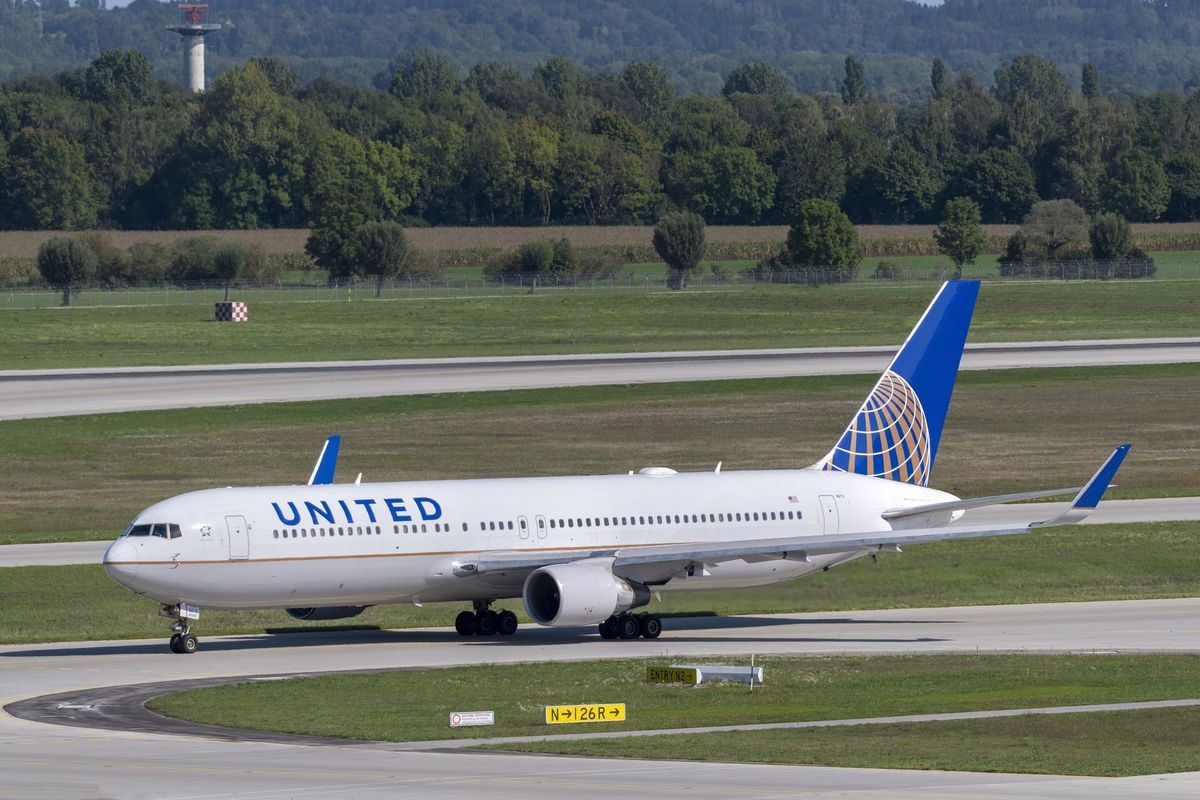
United Airlines leads the largest airlines by fleet size in 2026, with American Airlines and Delta Air Lines close behind. Their massive fleets really show just how big global aviation has gotten—and how much people want to fly, whether it’s across the country or halfway around the world.
When you compare the world’s biggest airlines, you’ll notice how U.S. carriers, China’s top airlines, and European low-cost operators fought their way up. Fleet size hints at where an airline flies, how it keeps costs in check, and which markets it’s after.
You’ll also spot major carriers from Asia, Turkey, and the Middle East. It’s interesting to see which aircraft types drive their strategies.
2026 Fleet Size Rankings at a Glance
United, American, and Delta dominate the top three, each running close to or over 1,000 aircraft. U.S. and Chinese airlines fill much of the upper ranks, but you’ll see some big low-cost and international names too.
How the Ranking Counts Aircraft
This ranking sticks to each airline’s mainline fleet—that means planes operated directly by the airline under its main brand and certificate. It counts active passenger jets and, if relevant, cargo aircraft that the airline itself flies.
Aircraft on order don’t count toward fleet size here. Planes that are stored long-term, retired, or flown only by regional partners usually don’t make the cut either.
Fleet figures can shift quickly as airlines take deliveries, return leased planes, or send older jets to retirement. Some airlines operate under big groups with multiple brands, so sticking to mainline fleets keeps things straightforward.
The 15 Largest Airline Fleets
| Rank | Airline | Approximate fleet size |
|---|---|---|
| 1 | United Airlines | 1,058 |
| 2 | American Airlines | 1,013 |
| 3 | Delta Air Lines | 989 |
| 4 | Southwest Airlines | 800+ |
| 5 | China Southern Airlines | 600+ |
| 6 | China Eastern Airlines | 600+ |
| 7 | Air China | 500+ |
| 8 | Turkish Airlines | 490+ |
| 9 | IndiGo | 400+ |
| 10 | Ryanair | 349 |
| 11 | easyJet | 340+ |
| 12 | Lufthansa | 330+ |
| 13 | All Nippon Airways | 320+ |
| 14 | Emirates | 270+ |
| 15 | Qatar Airways | 250+ |
The biggest airlines use their fleets in different ways. Southwest and Ryanair stick mostly to single-aisle jets for shorter routes, while Emirates and Qatar Airways lean on widebody aircraft for those epic long-haul flights.
United’s reported fleet of about 1,058 aircraft puts it just ahead of American and Delta in 2026. Ryanair holds its place as Europe’s largest low-cost airline by fleet, with 349 Boeing 737s.
The Top Four Global Fleet Leaders
You can really see the scale of U.S. airline fleets when you look at their daily schedules, sprawling route maps, and huge passenger numbers. Fleet totals can vary depending on whether you count regional partner aircraft or stored planes.
United Airlines
United Airlines lands at number one in most early 2026 fleet reports, with roughly 1,050 active aircraft. The fleet includes loads of Boeing 737s and Airbus A320-family jets, plus Boeing 757s, 767s, 777s, and 787 Dreamliners.
You’ll spot United’s network strength at major hubs like Chicago O’Hare, Denver, Houston, Newark, San Francisco, Washington Dulles, and Los Angeles. These hubs support a ton of daily flights across the U.S. and plenty of long-haul service to Europe, Asia, Latin America, Africa, and the Pacific.
United keeps adding capacity with its large fleet, swapping out older jets for newer 737 MAX and 787 models. That move usually means better fuel efficiency and smoother operations, though United still manages a pretty diverse set of aircraft.
American Airlines
American Airlines, part of American Airlines Group, flies about 1,000 aircraft in most 2026 rankings. The exact number depends on whether you count just mainline planes or also the regional jets under the American Eagle brand.
Most of its mainline fleet is made up of Airbus A320-family aircraft and Boeing 737s for domestic flights. For international trips, American uses Boeing 777s and 787s, especially from Dallas/Fort Worth, Miami, Charlotte, Philadelphia, Chicago O’Hare, Phoenix, and New York.
Dallas/Fort Worth is where you’ll see the most American flights each day. The airline uses its hub system to link smaller U.S. cities with big business and vacation spots, while Miami is still the key to its Latin America network.
Delta Air Lines
Delta Air Lines operates close to 990 aircraft in early 2026, depending on who’s counting. Its fleet is one of the most varied among the big airlines—think Airbus A220s, A321neos, A330s, A350s, Boeing 737s, 757s, and 767s.
Delta’s biggest hub is Atlanta, which has topped the charts as the world’s busiest airport for years. Other big bases include Detroit, Minneapolis–St. Paul, Salt Lake City, Seattle, Boston, New York-JFK, and Los Angeles.
Delta has been pouring investment into newer Airbus planes, especially the A220 and A321neo. Those jets help cut fuel use on many routes, while the A350s handle long-haul flights to Europe, Asia, Africa, and South America.
Southwest Airlines
Southwest Airlines keeps its spot among the world’s largest by fleet, with about 800 Boeing 737s. Unlike the other three, Southwest only flies one aircraft family, which really simplifies things for pilot training, maintenance, scheduling, and spare parts.
This single-type strategy shows up in Southwest’s efficiency. The airline can shift planes and crews across its domestic network with less hassle than airlines juggling a bunch of jet types.
Southwest flies to a ton of U.S. cities and also reaches Mexico, the Caribbean, and parts of Central America. Its busiest airports include Denver, Chicago Midway, Baltimore/Washington, Dallas Love Field, Phoenix, Las Vegas, and Nashville. New 737 MAX jets keep arriving to replace older 737s and help the network grow.
China’s Major Airlines and Regional Operators
China Southern, China Eastern, and Air China top China’s airline scene, while SkyWest runs one of North America’s biggest regional fleets. Their aircraft mixes range from widebody jets to smaller planes meant for short hops.
China Southern Airlines
China Southern Airlines runs China’s biggest airline fleet, with about 710 aircraft as of early 2026. Its network links major Chinese cities with spots across Asia, Europe, North America, Africa, and Oceania.
You’ll see a broad fleet mix, with Airbus A320-family jets for domestic flights and Airbus A350s and Boeing 787s for long-haul routes. Boeing 737s are still a big part of the high-frequency routes.
China Southern left SkyTeam in 2019 and now uses partnerships with several international airlines to keep connections strong.
Its huge domestic schedule gives it a big chunk of China’s aviation market. In July 2026, it held about 15% of domestic seat capacity, just ahead of China Eastern.
China Eastern Airlines
China Eastern Airlines is one of China’s three largest state-owned airline groups. In July 2026, it operated roughly 11.9 million domestic seats, grabbing about 14% of the Chinese domestic market.
Shanghai Pudong and Shanghai Hongqiao are its main bases. These hubs support both busy domestic routes and international flights, especially around East Asia.
China Eastern belongs to SkyTeam, so you can connect through partners like Delta Air Lines, Air France, and Korean Air. Its fleet includes Airbus A320-family aircraft, Boeing 737s, Airbus A350s, and Boeing 787s.
The airline also flies Chinese-built jets. Its subsidiaries have added the COMAC ARJ21 regional jet and the larger COMAC C919, backing China’s push for homegrown planes.
SkyWest Airlines
SkyWest Airlines runs one of the world’s largest regional fleets. Unlike China’s major airlines, SkyWest mostly flies under contracts for bigger U.S. carriers like United, Delta, American, and Alaska.
Most of its fleet centers on the Embraer E175, sometimes called the ERJ-175. This 76-seat regional jet connects smaller cities and routes where a big mainline jet would just be overkill.
| Main aircraft type | Role in SkyWest’s network |
|---|---|
| Embraer E175 | Main regional jet for U.S. partner airlines |
| Bombardier CRJ200 | Older 50-seat aircraft, now a much smaller part of operations |
You’ll see fewer Bombardier CRJ and CRJ200 jets than before, as the E175 takes over. A regional pilot shortage has also put the squeeze on U.S. regional airlines, limiting flying and pushing up labor costs.
Air China
Air China is the country’s national flag carrier and one of the three main state-owned airline groups. Its main hub is Beijing Capital International Airport, with big operations at Beijing Daxing, Chengdu, and Shanghai.
You’ll often spot Air China on long-haul routes linking China with Europe, North America, Australia, and other parts of Asia. The fleet includes Airbus A320-family aircraft, Boeing 737s, Airbus A350s, Boeing 777s, and Boeing 787s.
Air China is part of Star Alliance, so you get access to a huge international network with partners like United, Lufthansa, Singapore Airlines, and ANA. The alliance helps boost its international connections.
The airline group has also started flying the COMAC C919 for domestic routes. Alongside China Southern and China Eastern, Air China remains one of China’s biggest airline groups by fleet and capacity.
European, Turkish, and Asian Fleet Leaders
You’ll find some pretty different fleet strategies here. Turkish Airlines builds global connectivity, while Ryanair and IndiGo stick with big narrow-body fleets to keep costs down.
Turkish Airlines
Turkish Airlines flies roughly 500 aircraft in 2026, making it one of the world’s biggest network carriers. The fleet includes Airbus A321neo and Boeing 737s for shorter flights, plus Airbus A350s and Boeing 787s for those long-haul journeys.
You can connect through Istanbul Airport to destinations all over Europe, Asia, Africa, and the Americas. This hub setup lets Turkish Airlines link cities that otherwise wouldn’t have direct flights.
The airline also runs a large cargo fleet through Turkish Cargo. Widebody freighters help move shipments between major markets and add to the group’s reach.
Ryanair
Ryanair is Europe’s largest low-cost carrier by fleet size and passenger numbers. It operates more than 600 Boeing 737s, with the 737-800 and 737 MAX 8-200 as the backbone.
You’ll find Ryanair focused on short-haul routes all over Europe, often using secondary airports to save on fees. Sticking to a single manufacturer helps cut training, maintenance, and spare-parts costs.
Ryanair keeps adding the higher-capacity 737 MAX 8-200. These jets fit more passengers than the older 737-800s and burn less fuel per seat.
Lufthansa and Lufthansa Group
Lufthansa Group runs about 730 aircraft across its airlines, including Lufthansa, SWISS, Austrian Airlines, Brussels Airlines, Eurowings, and Lufthansa Cargo. Lufthansa itself remains one of Europe’s biggest full-service airlines.
You’ll see a wide mix of aircraft in the group’s fleet. Airbus A320-family jets handle European hops, while Airbus A350s, Boeing 787s, Boeing 747-8s, and Airbus A380s take care of long-haul routes.
This setup supports a range of travel needs. Eurowings goes after budget travelers, while Lufthansa and its partner airlines focus on business trips, premium cabins, and intercontinental connections.
ANA and IndiGo
ANA Holdings runs close to 300 aircraft through All Nippon Airways, Peach Aviation, and its cargo division. You’ll spot Boeing 787s, 777s, and Airbus A320-family jets in the fleet, connecting Japan with major cities across Asia, North America, and Europe.
IndiGo has more than 400 aircraft, making it one of Asia’s biggest low-cost carriers. Most of its planes are Airbus A320neo-family jets, including A321neos that handle busy domestic and regional flights.
IndiGo’s large fleet really supports India’s booming air travel market. The airline covers a wide domestic network and keeps adding international routes across Asia, the Middle East, and parts of Europe.
Middle Eastern and Premium Long-Haul Comparisons
These airlines use big widebody aircraft fleets to link faraway cities through their main hubs. It’s smarter to look at their aircraft types, route needs, and cabin setups instead of just fleet size.
Emirates
Emirates has one of the world’s biggest all-widebody fleets. Its network is built around Dubai, letting travelers connect between Europe, Asia, Africa, Australia, and the Americas with just one stop.
The Boeing 777-300ER is the backbone of the fleet, with a hefty Airbus A380 operation in the mix. Emirates also flies the Airbus A350-900, which works better for routes that don’t need an A380’s capacity.
| Main aircraft | Typical role |
|---|---|
| Boeing 777 | High-capacity long-haul routes |
| Airbus A380 | Major global cities and busy routes |
| Airbus A350-900 | Newer long-haul and medium-demand routes |
If you want global reach and frequent flights to Dubai, Emirates has you covered with a broad schedule. The future fleet should see newer Boeing 777X jets gradually replacing the older 777s.
Qatar Airways
Qatar Airways runs a more varied long-haul fleet from its Doha hub. You’ll see modern types like the Airbus A350, Boeing 777, and Boeing 787 Dreamliner on its routes.
The A350-900 and the bigger A350-1000 handle many key long-haul flights. Qatar Airways also uses the Boeing 787-9, which has fewer seats than its largest planes and fits routes with solid, but not massive, demand.
Some older Airbus A330 jets still fly, though newer models keep taking over. This mix gives Qatar flexibility to adjust capacity across its global network.
If you’re booking, double-check the flight number. Qatar Airways sometimes swaps aircraft and business-class layouts on the same route.
Singapore Airlines
Singapore Airlines blends a large premium long-haul operation with strong regional service in Southeast Asia. From Changi Airport, you can reach Europe, North America, Australia, India, and East Asia on a well-timed schedule.
The fleet includes the Airbus A350-900, Boeing 777-300ER, Boeing 787-10, and Airbus A380. The A350-900 handles many of the longest flights, including some ultra-long-range routes.
Singapore Airlines mostly uses the Boeing 787 Dreamliner for regional and medium-to-long-haul flights. The 787 offers a newer cabin, but with fewer seats than a 777 or A380.
Expect aircraft changes depending on the season and demand. Singapore Airlines’ widebody variety helps it match the right plane to each route and keep global coverage strong.
What Fleet Composition Reveals About Airline Strategy
Fleet mix tells you where an airline expects passenger demand and how it tries to control costs. You can spot whether it focuses on frequent short-haul flights, long international routes, or just wants to burn less fuel.
Narrowbody Scale for Short-Haul Flights
Most large fleets rely on narrowbody aircraft for frequent short-haul service. The Boeing 737, Boeing 737 MAX 8, MAX 9, Airbus A320, and Airbus A321 all cover busy routes between big cities and smaller towns.
Airlines with hundreds of the same jets usually aim for efficiency. Sticking with a common type cuts training, spare-parts, and maintenance costs. It also lets airlines add flights quickly when demand picks up.
The Airbus A321neo is a favorite now, since it carries more passengers than smaller A320-family jets but uses less fuel per seat. The Airbus A220 fills a different role, flying thinner routes where a 737 or A321 would be too much plane.
Some carriers still use older Boeing 717s and 757s, but those are slowly fading out as maintenance costs climb. Airlines usually swap them for newer, more efficient models.
Widebody Capacity for International Networks
Widebody aircraft show how much an airline leans on international and long-haul flying. Planes like the Boeing 777-200 haul lots of passengers and cargo across oceans, perfect for routes that need real capacity.
You need widebodies for nonstop flights between North America, Europe, Asia, and the Middle East. They give airlines the range to connect big hubs with far-off markets without stopping along the way.
A widebody-heavy fleet can also mean bigger financial risks. These jets cost more to buy, lease, and operate, so airlines have to match seats to demand carefully. During slow travel periods, they might cut flights or switch to smaller planes.
The Boeing 747 used to be the king here, but most airlines have retired it. Modern twin-engine widebodies now do the job with less fuel and fewer seats to fill.
Fleet Modernization and Fuel Efficiency
Fleet modernization shapes an airline’s costs, route options, and environmental impact. Newer fuel-efficient aircraft burn less fuel per seat, which really matters with fuel being such a huge expense.
The Boeing 737 MAX family and Airbus A320neo family are at the heart of many fleet plans. Airlines use the 737 MAX 8 for core routes, while the MAX 9 and A321neo add seats for busier flights without needing a widebody.
| Fleet choice | Strategic purpose |
|---|---|
| Boeing 737 MAX 8 | Replaces older 737s on common short- and medium-haul routes |
| Boeing 737 MAX 9 | Adds capacity on high-demand narrowbody routes |
| Airbus A321neo | Provides more seats and longer range with efficient fuel use |
| Airbus A220 | Serves lower-demand routes with lower trip costs |
You can get a sense of an airline’s flexibility by seeing how fast it retires older planes. Some keep older jets around during delivery delays, but a mixed fleet can make maintenance and crew training more complicated.
Frequently Asked Questions
United, American, and Delta have the three biggest airline fleets in 2026. Fleet rankings shift as airlines get new deliveries, retire older aircraft, or count subsidiaries differently.
Which airlines have the largest fleets in 2026?
United Airlines, American Airlines, and Delta Air Lines top the 2026 list. United’s at around 1,058 aircraft, American about 1,013, and Delta sits near 989.
Southwest Airlines, FedEx Express, China Southern, China Eastern, Ryanair, and Air China also have massive fleets. Totals can vary depending on the source and whether cargo and regional units count.
Which is the world’s largest airline by fleet size in 2026?
United Airlines ranks as the world’s largest by fleet size in 2026, with about 1,058 aircraft in recent counts. American Airlines follows close behind with roughly 1,013.
Remember, these numbers are snapshots. Airlines add and retire planes all the time.
What are the 20 biggest airlines in the world by fleet size?
Here’s a 2026 comparison of major fleets. The lower spots can shift depending on when you check:
- United Airlines
- American Airlines
- Delta Air Lines
- Southwest Airlines
- FedEx Express
- China Southern Airlines
- China Eastern Airlines
- Ryanair
- Air China
- Turkish Airlines
- IndiGo
- Lufthansa
- Alaska Airlines
- easyJet
- Hainan Airlines
- UPS Airlines
- British Airways
- JetBlue Airways
- Emirates
- Qatar Airways
You might see different lists if a source combines airline groups, leaves out cargo airlines, or counts subsidiaries separately.
How is an airline’s fleet size calculated?
Fleet size usually means the number of aircraft an airline operates under its main certificate. It covers planes the airline owns or leases, as long as they’re active or about to start flying.
Some rankings lump passenger and cargo aircraft together. Others leave out stored, retired, or subsidiary-operated planes, which can change the total.
Which international airlines operate the most aircraft?
Outside the U.S., China Southern, China Eastern, Air China, Ryanair, Turkish Airlines, and IndiGo run some of the world’s largest fleets. Lufthansa, easyJet, Emirates, Qatar Airways, and British Airways also have big international networks.
If you’re thinking of airlines that cross borders, U.S. airlines still rank high since United, American, and Delta all run large long-haul international fleets.
Do the largest airline fleets also rank among the world’s best airlines?
Not always. Fleet size just measures operating scale.
Airline quality rankings usually focus on service, cabin comfort, reliability, airport experience, and customer feedback. You might spot big names like United, Delta, and Emirates in those rankings.
But sometimes, smaller carriers actually score higher for passenger experience. A bigger fleet gives you more route options, though it doesn't guarantee the best service.