
12 Narrowbody Aircraft Ranked by Seating Capacity: From Smallest to Largest

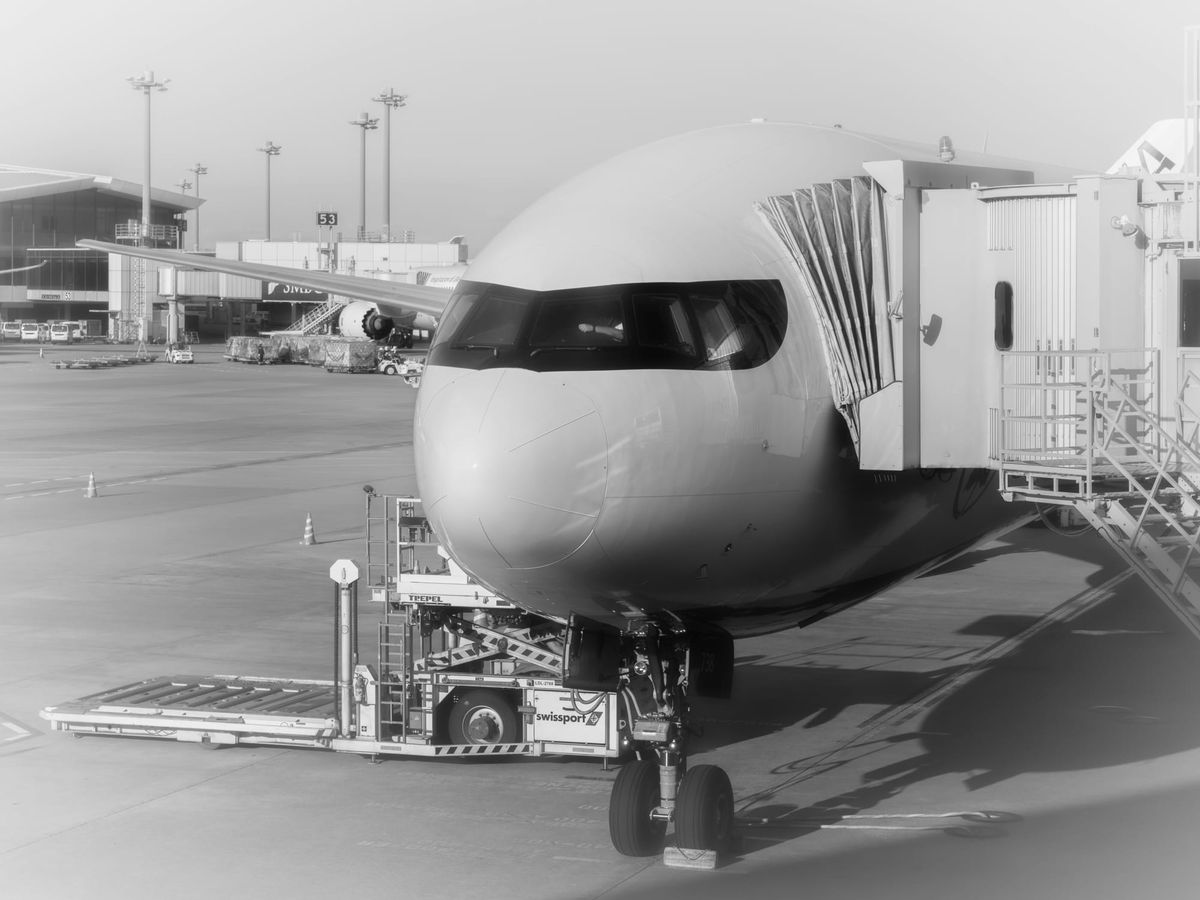
Narrowbody aircraft, or single-aisle jets, handle a huge chunk of short- and medium-haul flights around the world. Their seating capacity varies a lot, ranging from compact regional models to big commercial planes that haul over 200 people.
Here’s a ranking of 12 narrowbody airliners by their maximum certified seating capacity—so you’ll know which models squeeze in the most passengers in a single aisle.
You’ll see how cabin layouts change the seat count, why airlines go for high-capacity designs, and what packing in more seats actually means for your comfort on board.
How the Seating-Capacity Ranking Works
This ranking uses each aircraft’s maximum certified passenger capacity, not the seat count you’ll find on a typical flight. Your experience can be really different since airlines pick their own cabin setups and service classes.
Maximum Certified Seats vs. Typical Airline Layouts
The list ranks civil aircraft by their maximum certified passenger capacity. That’s the highest number of passengers the aircraft can legally carry under evacuation and safety rules.
Manufacturers and regulators set this limit based on things like exits, aisle access, and cabin space. It doesn’t mean airlines always use that many seats.
A three-class configuration usually has a lot fewer seats, since it includes business and premium-economy cabins. For instance, a plane certified for 200+ passengers might only have 150 to 180 seats if it’s set up with first-class-style business seats, extra legroom, and standard economy.
| Measure | What it shows |
|---|---|
| Maximum certified seats | Highest approved passenger total |
| Typical airline layout | Seats installed by a specific airline |
| Three-class configuration | Lower capacity with more space per passenger |
Aircraft data sometimes shows different numbers for the same model because airlines use different seat types and galley layouts.
Why Cabin Configuration Changes the Result
Cabin configuration changes capacity because every seat needs floor space, aisle access, and room to move. A narrowbody has just one aisle, and its fuselage width limits how many seats fit across each row.
Most larger narrowbodies use six-abreast seating, usually in a 3-3 setup. Smaller ones might use four or five seats per row, which lowers capacity even if the plane’s about the same length.
Seat pitch matters, too. Airlines can cram in more rows by shrinking the space between them, while extra-legroom seats cut the total. Galleys, lavatories, crew-rest areas, and wheelchair spaces can also replace seats.
Treat maximum-seat figures as a way to compare aircraft designs. They show the upper limit for each airframe, while actual airline capacity reflects commercial and comfort choices.
The 12 Aircraft Ranked by Maximum Seating Capacity
Maximum seating uses the highest approved single-class layout—not what you’ll usually fly in. Most airlines go with fewer seats for more legroom, premium cabins, and bigger galleys.
1–4: Highest-Capacity Single-Aisle Jets
| Rank | Aircraft | Maximum seats |
|---|---|---|
| 1 | Airbus A321neo | 244 |
| 2 | Boeing 757-200 | 239 |
| 3 | Boeing 737-900ER | 220 |
| 4 | Airbus A321XLR | 220 |
The Airbus A321neo tops the list with up to 244 seats. It’s the biggest A321 version for short- and medium-range routes, but airlines usually stick with about 180 to 220 seats.
The Boeing 757-200 can carry 239 passengers. Boeing stopped making the 757 in 2004, but plenty of airlines still fly it on busy domestic and transatlantic routes.
The Boeing 737-900ER and Airbus A321XLR both max out at 220 seats. The 737-900ER is a high-capacity 737, while the A321XLR trades a bit of capacity for a longer range—up to about 4,700 nautical miles.
5–8: Mainline Capacity Leaders
| Rank | Aircraft | Maximum seats |
|---|---|---|
| 5 | Airbus A320neo | 194 |
| 6 | COMAC C919 | 192 |
| 7 | Boeing 737-800 | 189 |
| 8 | Airbus A320 | 180 |
The Airbus A320neo holds up to 194 passengers. New engines and cabin tweaks help it burn less fuel than earlier A320s.
China’s COMAC C919 can seat up to 192 people. It’s mainly aimed at the Chinese market, competing with the A320 and 737 families.
The Boeing 737-800 has a 189-seat maximum, though most airlines use about 160 to 180 seats. The original Airbus A320 tops out at 180 and is still one of the most widely used narrowbodies.
9–12: Smaller Narrowbody and Regional Types
| Rank | Aircraft | Maximum seats |
|---|---|---|
| 9 | Airbus A220-300 | 160 |
| 10 | Embraer E195-E2 | 146 |
| 11 | Boeing 717-200 | 134 |
| 12 | Sukhoi Superjet 100 | 108 |
The Airbus A220-300 carries up to 160 passengers and handles routes that don’t need a bigger A320 or 737. It uses a five-abreast cabin, not the six-abreast layout found on larger narrowbodies.
Embraer’s E195-E2 seats up to 146. It’s the biggest E-Jet right now and fits somewhere between regional airliners and mainline narrowbodies.
The Boeing 717-200 takes up to 134 people. The Sukhoi Superjet 100 tops out at 108. Bombardier CRJ regional jets carry even fewer; the largest, the CRJ1000, seats up to 104.
What Separates Narrowbody Aircraft From Widebody Aircraft
You can spot a narrowbody by its single aisle and smaller cabin cross-section. Widebodies use two aisles, have wider cabins, and carry way more passengers.
Single Aisle, Cabin Width, and Seating Layouts
A narrow-body aircraft has just one aisle. Its cabin usually measures under 4 meters (13 feet) wide, so airlines stick with layouts like 3-3, 3-2, or 2-2.
You’ll see this on planes like the Airbus A320 family, Boeing 737 family, A220, and Embraer E-Jets. Most narrowbodies haul between 100 and 240 passengers, depending on the model and layout.
The single aisle makes boarding, deplaning, and in-flight service a bit slower. It also limits how many seats fit across.
| Aircraft type | Aisles | Common economy layout |
|---|---|---|
| Narrowbody aircraft | 1 | 3-3, 3-2, or 2-2 |
| Widebody aircraft | 2 | 2-4-2, 3-3-3, or 3-4-3 |
Where Widebody Capacity Begins
Wide-body aircraft have a fuselage wide enough for two aisles. This starts with planes like the Airbus A300 and Boeing 767, which carry about 200 or more passengers in typical service.
You get more seats per row thanks to the extra fuselage width. The A330 usually has a 2-4-2 economy layout, while the 777 often uses 3-4-3 or 3-3-3.
Widebodies also hold more fuel and cargo, so they’re built for long-haul routes. The biggest, the Airbus A380, is a widebody with two full passenger decks—it’s in a league of its own.
Why Airlines Choose High-Capacity Narrowbodies
High-capacity narrowbodies let airlines match plane size to demand while keeping fuel use and operating costs under control. They also make more direct routes possible, including some flights that used to need bigger planes.
Route Demand, Frequency, and Airport Constraints
A high-capacity narrowbody works well when a route has strong demand but can’t quite fill a widebody. Planes like the Airbus A321 and Boeing 757 carry lots of people without the bulk of a twin-aisle jet.
This setup helps airlines run several daily flights on medium-haul routes. Frequent departures appeal to business travelers, who care more about timing than a bigger cabin.
Airport constraints play a role, too. Some airports have short runways, limited gates, or just don’t have the volume for widebodies. Single-aisle planes fit these places better while still offering good seat capacity.
Fuel Efficiency and Operating Economics
Modern narrowbodies use efficient turbofan engines and lighter frames compared to widebodies. If you fill most of the seats, their fuel burn per seat is pretty low, especially on medium-haul trips.
You can cut several operating costs, too. Narrowbodies usually need fewer cabin crew, fit into smaller gates, and often have lower landing and handling fees.
Reliability helps, as well. Airlines run big fleets of A320s and 737s, which makes crew training, spare parts, and maintenance simpler. The 757 still has its place on certain routes, though newer designs usually offer better fuel savings.
Extended-Range Routes and Direct Services
The Airbus A321LR and A321XLR give you extended range in a single-aisle jet. They connect smaller cities with nonstop flights that might not have enough demand for a widebody.
You’ll see these models on thinner transatlantic routes and other long medium-haul markets. Direct flights save time and avoid the hassle of connecting through big hubs.
These planes don’t replace widebodies on the busiest long-haul routes. Widebodies still haul more people and cargo and usually have more premium seats. But extended-range narrowbodies let airlines try new markets with less risk and adjust capacity to match seasonal demand.
Passenger Experience and Cabin Trade-Offs
Seat count alone doesn’t tell you how comfortable a flight will be. Cabin width, seat layout, boarding flow, premium seating, and cargo limits all shape the experience—even on planes with similar capacity.
Seat Width, Aisles, and Boarding Time
Cabin width stands out right away. The Airbus A220 and Embraer E-Jet use a 2-3 economy layout, so no one sits more than one seat from the aisle. That makes boarding and deplaning a bit easier, especially on regional flights.
The A220’s cabin is wider than the E-Jet’s, which lets airlines offer relatively wide economy seats. Larger A320-family and 737-family planes stick to six-abreast, 3-3 seating. Seat width depends on the airline’s chosen seat and armrest design.
The small Airbus A318 usually uses a 3-3 layout, too, even though it carries far fewer passengers than an A320. You might get a less crowded cabin, but not necessarily a wider seat.
Boarding takes longer when more people share one aisle. Airlines try to speed things up with bigger overhead bins and faster boarding groups, but a narrowbody is still just one aisle.
Cargo Space and Premium-Cabin Effects
When more passengers fill a flight, space for checked bags and cargo can shrink. On busy routes, airlines usually load passenger luggage into the lower-deck holds first, which leaves less cargo capacity for freight.
Planes like the A220 and E-Jet have noticeably smaller holds than the A320 or 737 families. If you show up with a big checked bag, the airline might ask you to gate-check it—especially on regional flights or when overhead bins are packed.
A three-class configuration changes how the cabin feels. First and business class seats eat up more floor space, so a plane that could fit 180 people in all-economy might carry far fewer with premium cabins installed.
You’ll probably get wider seats, extra legroom, and better service up front. But airlines often squeeze fewer economy seats near the front, which can pack more people in the back and slow down boarding.
How the Market Is Shifting
Airbus and Boeing still drive the big single-aisle jet market, while Embraer and COMAC fill other niches. These days, airlines care more about fuel efficiency, range, and seating flexibility as they swap out older planes.
Airbus and Boeing Family Strategies
Airbus leads the way in narrowbody orders with the A320 family, especially the A321neo. Airlines use the big A321neo on routes that used to need smaller widebodies or old Boeing 757s, and some layouts push past 200 seats.
The A220 gives Airbus a smaller jet, usually with about 100 to 150 seats. Airbus took over the program after Bombardier launched it as the CSeries, so now there’s a broader range below the A320.
Boeing is working to rebuild delivery rates and win back trust in the 737 family. The 737 MAX 8 is its main rival to the A320neo, and the MAX 9 and MAX 10 go after higher-capacity routes.
If you’re comparing airlines, the key difference is fleet coverage. Airbus offers everything from the A220 up to the high-capacity A321neo, while Boeing sticks almost entirely to different 737 versions for its narrowbody line.
Regional and Emerging Competitors
Embraer stays strong below the biggest narrowbodies. Its E175, E190-E2, and E195-E2 models cover regional and lighter mainline routes, usually with fewer seats than the A320 or 737.
The E2 family lets airlines add seats without jumping to a 180-seater. The E195-E2, the biggest in the family, fits about 120 to 146 passengers depending on the layout.
COMAC has joined the commercial aviation scene with the COMAC C919. This jet competes with the A320neo and 737 MAX 8, and a few Chinese airlines already fly them.
COMAC has a long way to go before it’s a global player. It still needs to boost production, expand support, and get certifications outside China to really compete with Airbus and Boeing.
Sustainability and Fleet Replacement
Airlines are swapping out older jets because newer models burn less fuel per seat and don’t need as much maintenance. The A320neo family, A220, 737 MAX, and Embraer E2 jets use improved engines and better aerodynamics to cut costs.
For travelers, this usually means more flights with bigger narrowbodies instead of old regional jets. Airlines can spread out fuel and crew costs over more passengers, especially on busy short and medium routes.
Sustainable aviation fuel (SAF) is starting to sway fleet plans. Most current jets can use approved SAF blends, but fuel supply and price still hold back wider adoption.
Fleet replacement will favor efficient single-aisle jets for a while. Airlines have to juggle seat count, route demand, delivery schedules, and getting access to lower-carbon fuel.
Frequently Asked Questions
The Boeing 757-300 holds the record for highest certified seating among narrow-body jets, with up to 295 passengers. Newer large single-aisle jets, like the Airbus A321neo and Boeing 737 MAX 10, carry fewer people but use less fuel.
What is the largest narrow-body aircraft by seating capacity?
The Boeing 757-300 is the biggest narrow-body by max seating capacity. It can fit up to 295 passengers in a single-class setup.
Most airlines didn’t pack in that many. They usually added business class, extra legroom, bigger galleys, or more lavatories.
Which narrow-body aircraft can carry the most passengers?
The Boeing 757-300 tops the list for narrow-body passenger count, maxing out at 295 seats. It’s still a single-aisle jet, even though it’s longer than plenty of modern narrowbodies.
The Airbus A321neo comes next among current production narrow-bodies, with a certified max of 244 passengers.
How many seats does the Airbus A321XLR have?
The Airbus A321XLR usually seats 180 to 220 passengers. Airlines set the final number based on their cabin design and route needs.
In a high-density setup, the A321XLR can be certified for up to 244 passengers. Long-haul operators often go with fewer seats for more comfort.
How many passengers can the Boeing 737 MAX 10 seat?
The Boeing 737 MAX 10 typically fits 188 to 230 passengers. Its single-class max is 230 passengers.
If the airline adds business class, bigger galleys, or extra space, you’ll see fewer seats.
Which is larger in capacity, the Airbus A321neo or Boeing 737-10?
The Airbus A321neo can carry more people than the Boeing 737 MAX 10. The A321neo tops out at 244 passengers, while the 737 MAX 10 hits 230 passengers.
That’s a max difference of 14 seats. Actual layouts might shrink or stretch that gap, depending on how the airline configures the cabin.
What factors determine an aircraft’s seating capacity?
You have to look at the aircraft’s cabin length and width first. Exit limits and certified evacuation rules matter too.
These rules set the legal maximum for passengers. But that’s just the starting point.
Airlines make their own choices about how many seats to put in. Things like seat pitch, seat width, and cabin classes come into play.
Lavatories, galleys, and crew areas also chip away at the final number. It’s kind of a puzzle, honestly.


