
10 Aircraft Grounding Causes That Create ACMI Demand Explained

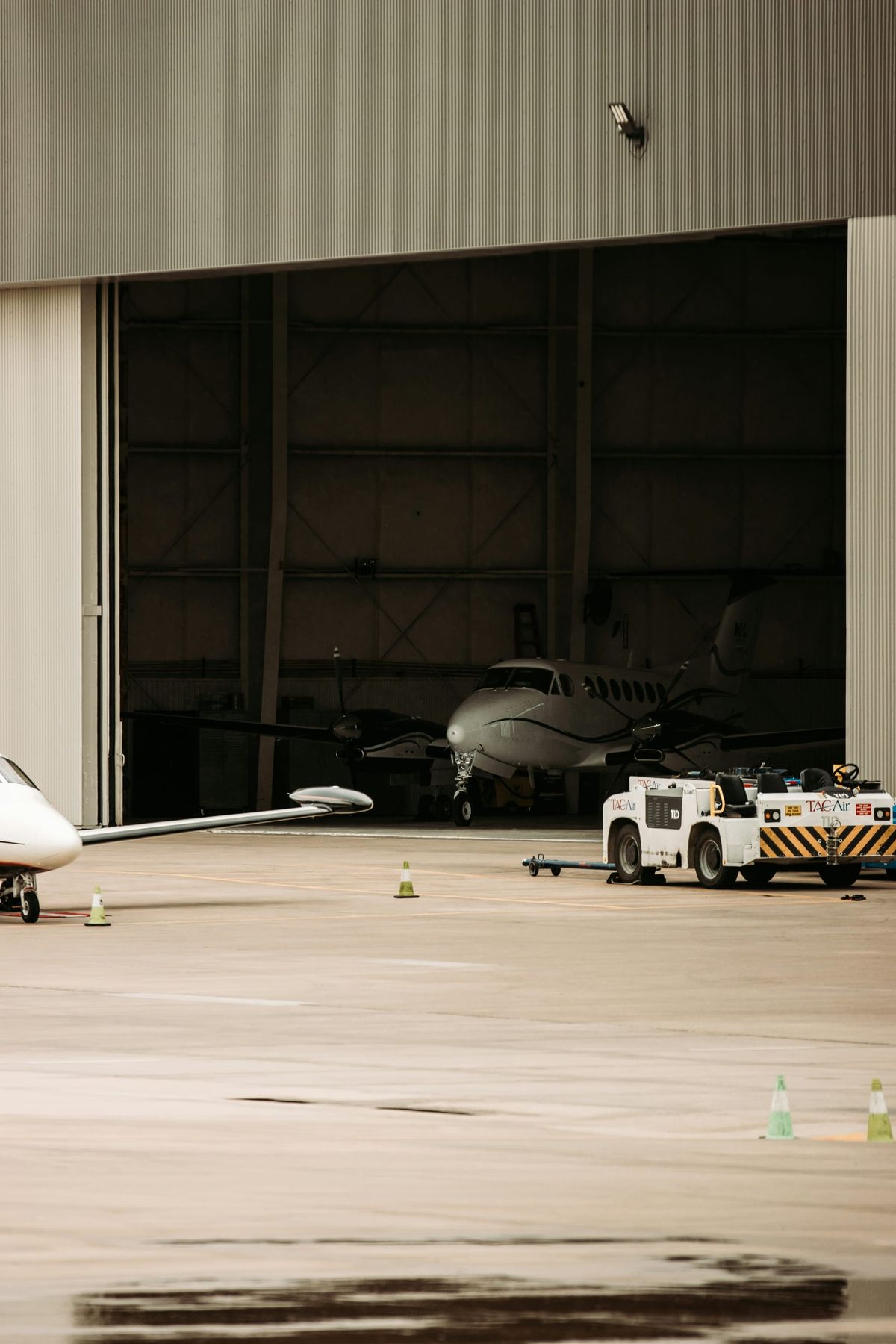
Aircraft groundings can shrink your available fleet fast. Suddenly, schedules, charter commitments, and customer service all feel the squeeze.
Engine inspections, technical events, parts shortages, maintenance delays, and late aircraft deliveries all create ACMI demand when you need reliable capacity fast.
ACMI leasing gives you access to an aircraft, crew, maintenance, and insurance while your own planes sit idle. It helps protect routes and manage seasonal peaks—no need for a long-term fleet commitment.
With ongoing supply and maintenance headaches in aviation, you’ve got to know which grounding risks hit your operation hardest. Here are 10 causes that show where capacity gaps start and how ACMI can help keep things running.
How ACMI Protects Airline Operations During Groundings
ACMI services step in with replacement aircraft capacity when your planes can’t fly. You get an operating aircraft and qualified crew, but you still control your schedule, routes, and passenger sales.
What Aircraft, Crew, Maintenance, and Insurance Covers
An ACMI lease, or wet lease, provides four essentials: aircraft, crew, maintenance, and insurance. The ACMI provider runs the flight under its air operator certificate (AOC), supplying pilots, cabin crew, scheduled maintenance, and insurance.
You can use this capacity to protect routes affected by engine inspections, technical faults, supply delays, or unscheduled aircraft-on-ground events. The provider keeps the aircraft airworthy and staffs it with licensed crew.
Your airline usually manages the commercial side:
- Fuel and airport charges
- Ground handling and passenger services
- Route planning and schedules
- Catering, sales, and ticketing
This split lets you keep flights going without hiring and training a whole crew or setting up maintenance for just a short-term replacement.
Why Wet Lease Capacity Is Different From a Dry Lease
A dry lease gives you only the aircraft. You’ve got to put it on your own AOC, provide crew, arrange maintenance, get insurance, and clear all approvals.
That process takes time, especially when groundings hit without warning. You might need type-rated pilots, cabin crew training, maintenance staff, manuals, contracts, and regulator sign-off before the plane can fly.
Wet leasing gets you flying sooner because the lessor already has everything set up. The ACMI aircraft usually operates under the provider’s AOC, with its own trained crew and maintenance.
| Lease type | Supplied by lessor | Your main responsibility |
|---|---|---|
| ACMI / wet lease | Aircraft, crew, maintenance, insurance | Commercial planning and operating costs |
| Dry lease | Aircraft | Full operation, crew, maintenance, insurance, and approvals |
Operational, Regulatory, and Cost Considerations
You’ll need to check if the ACMI provider can support your routes, airports, aircraft type, and schedule. Look at payload limits, cabin layout, baggage space, turnaround times, and ground handling before publishing flights.
Wet lease deals often need sign-off from your aviation authority and sometimes foreign authorities too. Regulators may review the provider’s AOC, safety record, insurance, crew licenses, and oversight.
Costs usually use a block-hour rate, with a minimum monthly hour guarantee. Expect to pay for fuel, airport fees, navigation, ground handling, crew hotels, positioning flights, and disruption costs too.
Match the contract length to your expected grounding. Short ACMI agreements work for temporary disruptions, but minimum hours and aircraft positioning can make them less ideal for very short-term needs.
Engine Reliability Problems and Mandatory Inspections
Engine reliability problems can ground aircraft for months. When inspections, removals, and parts shortages pile up, you need replacement lift.
Pratt & Whitney GTF Engine Groundings
Pratt & Whitney GTF engine groundings have hit Airbus A320neo-family aircraft, including the A320neo, A321neo, and A220. Many operators run the PW1100G engine on their A320neo fleets.
A manufacturing issue with specific powder-metal parts triggered mandatory inspections and sped up engine removals. Regulators and Pratt & Whitney set inspection schedules based on engine use, so you might need to pull engines earlier than planned.
These actions can ground aircraft if you don’t have spare engines or replacement planes ready. The impact really depends on your engine age, flight hours, cycles, and maintenance capacity.
| Operational issue | Effect on your airline |
|---|---|
| Mandatory GTF inspections | Aircraft may leave service earlier than planned |
| Limited spare engines | Grounded aircraft remain parked longer |
| Full engine shops | Return-to-service dates become less certain |
ACMI capacity helps you keep routes running while your planes wait for engine work.
Unscheduled Engine Removals and Shop-Visit Delays
An unscheduled removal happens when an engine has to come off the wing before its planned maintenance date. You might remove an engine because of vibration, oil issues, compressor damage, fault messages, or poor performance.
But removal is just the start. Your aircraft may stay grounded if an engine shop can’t take the unit soon, lacks labor, or waits for parts. GTF engine maintenance demand has put more pressure on repair shops and created a big backlog.
You also need time for engine shipping, inspection, repair approval, testing, and installation. A delayed shop visit can turn one technical event into a long-term planning headache.
An ACMI aircraft can cover a route, rotation, or seasonal schedule while you wait for an engine and finish maintenance. This helps you avoid cancelling flights when your own spares can’t cover the gap.
Life-Limited Parts and Component Failures
Life-limited parts have strict use limits, measured in flight cycles or hours. These include rotating engine parts that must be replaced or inspected before hitting their limit.
You’ve got to track these closely. If a part goes overdue, the aircraft isn’t airworthy. If a part reaches its limit early and you don’t have a replacement, the plane stays grounded.
Other failures can ground aircraft too. Bearings, seals, gearboxes, fuel systems, sensors, or turbine parts might need troubleshooting and engine removal.
Your planning team needs spare engines, parts access, and maintenance slots to handle these events. When resources run short, ACMI support can provide short-term aircraft and crew while you fix the issue.
Manufacturer Delivery Delays and Fleet Shortfalls
When aircraft deliveries run late, your passenger fleet shrinks for months or even years. Supply chain issues also limit spare parts and maintenance, making ACMI leases a practical way to keep schedules on track.
Delayed New Aircraft Deliveries
If Airbus or Boeing delays a delivery, your fleet plan takes a hit. A late A320, A321, or 737 might have been set to replace a lease return, retire an old plane, or open a new route.
Manufacturers still face supply chain snags with engines, structures, cabin gear, materials, and labor. Industry estimates put the global delivery shortfall at over 5,300 aircraft compared to pre-pandemic trends, and the backlog is now above 17,000 planes.
| Planned use of a new aircraft | Effect of a delivery delay |
|---|---|
| Replace older aircraft | Higher maintenance and fuel costs |
| Support route growth | Fewer flights or postponed launches |
| Cover lease expiry | Immediate capacity gap |
| Add reserve aircraft | Less protection from groundings |
You can fill a gap with ACMI capacity while you wait for new deliveries. The lessor supplies the aircraft, crew, maintenance, and insurance, so you keep flying without shifting your long-term fleet strategy.
Boeing 737 MAX Production and Availability Constraints
Boeing 737 MAX production limits cause headaches if your network relies on the MAX 8 or other variants. Airlines often order these to replace older 737s, cut fuel use, and add seats on busy routes.
Production has stayed below what many operators expected when they planned their fleets. Quality reviews, supplier delays, and caps on production increases have stretched delivery schedules.
A late 737 MAX can mess up more than one route. If you planned to move a current 737 into a new market after getting a MAX, the delay blocks both the replacement and the expansion.
You might lease an ACMI Boeing 737 or Airbus A320-family aircraft during the shortfall. Aircraft type, crew training, airport handling, and maintenance support all factor into whether you can get that capacity flying quickly.
Fleet Planning Gaps During Growth
Fleet planning assumes deliveries, lease returns, maintenance, and demand growth will follow a set schedule. Delivery delays break that rhythm, especially if your fleet has little spare capacity.
Strong travel demand has pushed aircraft use higher in many markets. Older planes are flying more hours, and average fleet age has crept up as airlines keep aircraft longer than planned.
If you can’t get an A320, A321, Boeing 737, or 737 MAX on time, you may have to extend a lease or keep a plane set for retirement. But sometimes that’s not possible—maintenance checks, engine shop visits, or lease end dates just can’t move.
ACMI demand spikes when the gap is immediate. You can add capacity for a season, protect a core schedule, or cover routes while your delayed narrowbody aircraft join the fleet.
Safety Directives and Unexpected Technical Events
Safety orders can pull aircraft from service with almost no warning. Technical failures can trigger local aircraft-on-ground (AOG) events, forcing you to find replacement lift fast.
FAA and Other Regulator-Mandated Groundings
The Federal Aviation Administration (FAA) can order inspections, part swaps, or operating limits through an airworthiness directive. Other regulators, like EASA and national authorities, issue similar orders. You can’t operate affected aircraft until you satisfy the conditions.
A fleet-wide directive creates an instant capacity gap, especially if compliance needs hangar time, specific parts, or skilled techs. The Boeing 737 MAX grounding is a big example of how a regulatory order can sideline lots of aircraft for a long stretch.
You may turn to ACMI capacity while your fleet completes the required work. The wet-lease provider supplies the aircraft, crew, maintenance, and insurance, so you can keep routes running. Airlines like United Airlines have used leased capacity at different times to manage fleet and schedule needs.
Airframe, Systems, and Software Defects
Defects can show up in the airframe, engines, flight controls, electrical systems, or software. Sometimes a problem pops up during routine inspection, after a crew report, or through maintenance data across a fleet.
Some issues only ground one aircraft. Others reveal a design or production flaw and trigger broader groundings. For example, a software bug might need an approved update before dispatch, while a crack finding could force repeat inspections on similar aircraft.
You’ve got to figure out if it’s a real safety issue or just a routine delay. Both can shrink your available fleet, but a defect that needs regulatory action can keep planes out of service longer. ACMI helps you cover flying when repair timelines, parts, or approvals are up in the air.
AOG Events Away From Home Base
An aircraft on ground, or AOG, event happens when an aircraft can't safely depart because of a technical or maintenance issue. Sometimes this occurs at an airport with limited tools, spare parts, or qualified maintenance support.
Common causes include failed sensors, hydraulic leaks, tire damage, bird strikes, ground-service damage, and engine warnings. AOG response teams jump in to assess the fault, find parts, arrange labor, and get the aircraft back in service under approved maintenance procedures.
Remote AOG events can disrupt more than one flight rotation. For example, a Boeing 747 cargo aircraft run by Atlas Air might need specialized parts and support that aren't available everywhere.
Passenger operators like ANA run into the same headaches when an aircraft blocks a scheduled return flight. You might need a short-term ACMI aircraft to keep service going while the grounded aircraft waits for repairs or recovery support.
Maintenance Capacity, Parts Shortages, and Scheduling Disruption
MRO backlogs, missing components, and tightly planned maintenance windows can keep aircraft out of service longer than you'd expect. When fleet utilization runs high, you may need ACMI capacity to protect your published schedule.
MRO Backlogs and Limited Shop Capacity
Engine and airframe MRO capacity can directly ground aircraft. A planned engine shop visit drags out when repair stations lack technicians, tooling, test-cell slots, or approved repair options.
This issue really hits newer engine programs facing high removal rates or inspection campaigns. Some operators have had aircraft grounded while waiting for engine maintenance because available shop capacity just couldn't keep up.
A maintenance backlog messes with aircraft maintenance planning. If a shop slot moves by weeks, you might have to defer noncritical work, rotate aircraft differently, or even park one until an engine returns.
ACMI can cover the gap when your fleet can't provide enough serviceable aircraft. It lets you maintain routes and frequencies while maintenance providers finish the work, though wet-lease costs must be weighed against lost revenue, passenger reaccommodation, and possible compensation.
Spare-Parts Supply Chain Constraints
A grounded aircraft might just be waiting on a tiny part, not a major assembly. Sensors, valves, seals, avionics components, and engine hardware can all halt a repair if no approved replacement is on hand.
Supply chain constraints hit both scheduled checks and unexpected defects. A missing component might delay an overnight maintenance task, turning a short ground stop into a multi-day disruption.
You can reduce exposure through targeted inventory planning:
- Hold critical rotable parts at major operating bases.
- Use predictive maintenance data to spot components with rising failure risk.
- Share parts pools or exchange agreements with other operators.
- Track repair turnaround times, not just new-part lead times.
Digital transformation tools help maintenance control teams see open defects, inventory status, and aircraft location in one view. But better data can't replace a part that a supplier hasn't delivered. During prolonged shortages, ACMI aircraft can protect fleet utilization while your aircraft sit unavailable.
Maintenance Scheduling Conflicts at Peak Utilization
High aircraft utilization leaves almost no room to recover from maintenance delays. You might plan overnight checks, short ground periods, and line maintenance around a packed flying program, with few spares on hand.
A late inbound flight, a deferred defect that finally hits its limit, or an extended inspection can throw that plan off. The aircraft may miss its next departure, and the delay can ripple through crew rotations, gate assignments, and later flights.
Maintenance scheduling gets even tougher during holiday peaks, seasonal route launches, and periods when several aircraft need heavy checks or engine changes. Taking an aircraft out of service as planned might drop available capacity below what's needed for your timetable.
ACMI support gives you a temporary aircraft, crew, maintenance, and insurance package to protect core flights. Arrange it early if you can, since short-notice availability can be tight when multiple airlines face the same problems.
Seasonal Demand and Charter Commitments That Intensify Capacity Needs
Seasonality can turn a manageable grounding into a network-wide capacity headache. Your need for ACMI goes up even more when charter commitments require fixed aircraft availability and can't be easily reduced.
Peak Summer and Winter Seasonality
Passenger peaks hit hardest during the Northern Hemisphere summer, winter holidays, and major school breaks. Leisure routes from Europe to the Mediterranean, North America to the Caribbean, and Asia Pacific to beach destinations all need far more seats than off-season schedules.
A grounding during these periods removes aircraft when your fleet has little spare capacity. Low-cost carriers are especially exposed since they keep aircraft flying for many hours each day and use quick turnarounds.
ACMI providers can supply an aircraft, crew, maintenance, and insurance package for a set period. That lets you protect scheduled flights while your grounded aircraft gets repairs, inspections, or engine work.
But ACMI supply tightens in peak periods. European ACMI operators get requests months before summer, and widebody aircraft for long-haul leisure routes may need even earlier planning.
Tour Operator and Charter Operations Coverage
Tour operators sell package holidays based on specific flight dates, hotel stays, and seat numbers. If you operate charter services for these programs, a grounding can put contractual commitments at risk, even if your regular network has some wiggle room.
You might need replacement capacity for weekly or daily rotations to resorts in Europe, the Middle East, Africa, or Asia Pacific. A missed flight can disrupt hotel transfers, crew schedules, and the return journey for travelers already at the destination.
Charter operations need dependable coverage, not just spare seats. An ACMI operator can fly under your schedule and commercial plan, helping you keep agreed departure times and avoid canceling a tour series.
Before signing, confirm these points:
- Aircraft type, seating layout, and baggage capacity
- Crew bases, duty limits, and overnight arrangements
- Approval to operate in each country
- Backup plans for technical delays
Balancing Network Resilience With ACMI Costs
You should compare ACMI costs with the full cost of cancellation, customer reaccommodation, and lost charter revenue. A wet lease may cost more per flight hour than using your own aircraft, but it could limit disruption during a short grounding.
Your decision should reflect the route’s value and the length of the aircraft outage. For example, you might use ACMI for high-load holiday flights and consolidate lower-demand routes onto other aircraft.
The ACMI market varies by region. Europe has a big group of ACMI providers, but demand spikes in summer. North America often relies on seasonal and ad-hoc capacity, while operators in the Middle East, Africa, and Asia Pacific might face longer repositioning times or fewer suitable aircraft.
Build resilience by seeking quotes early, especially for peak travel dates. Check if the lease price includes positioning flights, fuel, airport handling, and schedule changes.
Selecting ACMI Capacity and Reducing Future Exposure
You need capacity that fits your route network, operating approvals, and passenger service standards. Strong provider checks and better fleet planning can cut the pain of future groundings.
Matching Aircraft Type, Crew, and AOC Requirements
Pick an aircraft type that matches your route length, airport limits, seat demand, and baggage needs. A narrowbody might cover short-haul gaps, while a widebody ACMI aircraft can handle long-haul routes or peak holiday demand.
Check if the ACMI operator’s Air Operator Certificate (AOC) covers flights in every country on your schedule. Confirm traffic rights, airport permits, security rules, and any limits set by local aviation authorities before you publish flights.
Review crew language skills, cabin service standards, and aircraft configuration. Different seat counts or cabin layouts can affect ticket sales and passenger expectations.
| Check | Why it matters |
|---|---|
| Aircraft type and range | Supports planned routes without payload limits |
| AOC and permits | Allows legal operation in each market |
| Crew qualifications | Meets safety and route requirements |
| Cabin layout | Limits disruption to booked passengers |
ACMI providers like Avion Express, SmartLynx Airlines, GetJet Airlines, Titan Airways, Wamos Air, and Hi Fly run different fleets and hold different approvals. Compare each operator against your exact network needs, not just aircraft availability.
Assessing Provider Reliability and Contract Flexibility
Check the ACMI provider’s recent operating record before you sign. Ask for data on dispatch reliability, aircraft substitutions, delay handling, maintenance support, and crew availability.
Confirm who pays for major disruptions. A clear contract should lay out responsibility for hotel costs, passenger care, replacement aircraft, airport fees, fuel, and schedule changes.
Pay attention to these terms:
- Start and end dates: Set clear delivery, return, and extension rules.
- Minimum guaranteed hours: Don’t pay for flying you can’t use.
- Substitution rights: Define what replacement aircraft the provider may use.
- Termination clauses: Allow an exit if permits fail or service drops.
- Maintenance events: Set procedures when the leased aircraft needs unscheduled work.
The ACMI industry can tighten fast when fleet groundings hit many airlines at once. Aircraft availability drops during summer peaks, major maintenance periods, or cargo demand spikes. Secure capacity early, but avoid long commitments that outlast your recovery period.
Building a More Resilient Fleet Strategy
Use ACMI as part of fleet planning—not just as an emergency fix. Track grounding risks by aircraft type, engine model, maintenance status, and expected spare-aircraft coverage.
Reduce exposure by keeping a mix of short-term aircraft leasing options, dry leases, and approved ACMI operators. This gives you more choices when a technical issue grounds part of your fleet.
Create trigger points for action. For example, start ACMI talks when grounded aircraft hit a set number, when spare coverage falls below target, or when maintenance delays threaten published flights.
Keep current operating data for several ACMI providers. Maintain route, airport, AOC, and crew requirements ready for fast review.
IATA schedules, airport slot rules, and regulatory approvals can slow a response even when an aircraft is available. Early planning helps you protect schedules without relying on a single provider or aircraft type.
Frequently Asked Questions
Aircraft groundings can result from engine defects, required inspections, delayed repairs, missing parts, and crew or regulatory limits. ACMI leasing gives you access to an aircraft, crew, maintenance, and insurance when your own fleet can't fly.
What are the most common reasons aircraft are grounded?
You might ground an aircraft after a technical fault, a failed inspection, or a safety directive from a regulator or manufacturer. Engine issues, landing gear faults, hydraulic leaks, and avionics problems all can keep an aircraft out of service.
Scheduled heavy maintenance also causes planned groundings. Unplanned events like bird strikes, lightning damage, or foreign-object damage can stretch downtime when parts or repair slots aren't available.
How do engine problems lead to aircraft groundings?
An engine problem might force you to pull an aircraft from service if it affects safe operation. That could mean abnormal vibration, oil-system warnings, turbine blade damage, or excessive wear found during inspection.
Some engine types face fleet-wide inspection programs after manufacturers spot a defect or durability issue. If replacement engines and repair shop capacity are tight, aircraft can sit parked for months, not days.
Why do maintenance delays create demand for ACMI aircraft?
Maintenance delays shrink the number of aircraft you can assign to your published schedule. A routine check can drag out when technicians find more damage, maintenance records need review, or a repair needs specialist approval.
ACMI operators can provide a ready-to-fly aircraft with its own crew, maintenance support, and insurance. You can use that capacity while your aircraft waits for repairs, inspections, or a return-to-service check.
How do supply chain shortages affect airline fleet availability?
A missing part can ground an otherwise ready aircraft. Airlines might wait for items like engine components, tires, brakes, electronic units, cabin equipment, or structural repair materials.
Supply shortages get worse when the same part is needed across many aircraft. If your maintenance provider can't get the part quickly, your aircraft may stay out of service and shrink your available fleet.
What is the financial impact of grounding aircraft for airlines?
A grounded aircraft cuts ticket revenue while fixed costs keep rolling. You may still pay for leases, parking, insurance, financing, and some crew costs even when the aircraft isn't flying.
You might also face passenger rebooking costs, hotel expenses, compensation, and lost customer confidence after cancellations. ACMI capacity costs more than operating your own aircraft in some cases, but it can limit the bigger cost of widespread schedule disruption.
How does ACMI leasing help airlines maintain schedules during groundings?
ACMI leasing gives you an aircraft, crew, maintenance, and insurance in one operating agreement. You still control the route, schedule, ticket sales, and passenger service standards.
When one of your planes gets grounded for repair or inspection, you can bring in an ACMI aircraft on those routes. This keeps your key frequencies running and helps you hold onto valuable airport slots.
You’ll probably see fewer cancellations during these short-term fleet shortages too.