
How Rich Do You Need to Be to Own a Private Jet? 2026 Guide
See the net worth needed to comfortably own a private jet, with aircraft models, purchase prices and annual running costs at each wealth level.

How Rich Do You Need to Be to Own a Private Jet?
Buying a private jet and being wealthy enough to comfortably own one are two different things. The acquisition price is only the first cheque. Crew, fuel, maintenance, insurance, hangar space, engine reserves and management continue every year.
Someone worth USD 20 million can technically buy a USD 3 million light jet. The harder question is whether they can comfortably spend another USD 500,000 to USD 1 million every year keeping it operational.
At the other end of the spectrum, a billionaire buying a USD 70 million to USD 80 million Gulfstream may be committing less than 10% of net worth to the aircraft. The annual operating cost also becomes relatively small compared with overall wealth and recurring cash flow.
ACMIWorld · Private Jet Ownership
Being able to buy the aircraft is not the same as being able to afford the aircraft.
A realistic ownership decision should account for annual cash burn, depreciation, maintenance exposure and eventual aircraft replacement.
Private Jet Wealth Thresholds at a Glance
| Net Worth | Typical Aircraft | Aircraft Value | Annual Operating Cost |
|---|---|---|---|
| USD 15M–30M | Citation Mustang, Phenom 100, CJ2+ | USD 1.5M–4M | USD 400K–900K |
| USD 50M+ | HondaJet Elite II, Citation M2 Gen2 | USD 4M–7M | USD 800K–1.3M |
| USD 100M+ | Phenom 300E, Citation CJ4 Gen2 | USD 10M–14M | USD 1.3M–2M |
| USD 250M+ | Challenger 3500, Praetor 600, Citation Longitude | USD 20M–30M | USD 2.2M–3.6M |
| USD 500M+ | Gulfstream G500/G600, Falcon 6X | USD 40M–60M+ | USD 3M–5M+ |
| USD 1B+ | Gulfstream G700, Global 7500, Falcon 8X | USD 60M–90M+ | USD 4M–7M+ |
| USD 2B+ | Airbus ACJ319neo, Boeing Business Jet | USD 100M–150M+ | USD 7M–12M+ |
These are comfort ranges rather than hard rules. The same aircraft can have dramatically different economics depending on age, annual utilization, crew base, maintenance status, fuel prices and where it is hangared.
USD 15 Million to USD 30 Million: Older Light Jets
Citation Mustang, Phenom 100 and Citation CJ2+


Typical acquisition: USD 1.5 million to USD 4 million.
Indicative annual cost: USD 400,000 to USD 900,000.
This is roughly where whole-aircraft ownership first becomes financially possible for a wealthy individual. The aircraft is normally pre-owned, relatively small and optimized for regional flying.
The biggest risk at this wealth level is concentration. Someone worth USD 20 million who spends USD 3 million on a jet has immediately placed 15% of net worth into a depreciating transport asset before paying a single operating bill.
USD 50 Million: Modern Entry-Level Jet Ownership
HondaJet Elite II and Citation M2 Gen2

_(4-9-2024).jpg?width=1200)
Typical acquisition: USD 4 million to USD 7 million.
Indicative annual cost: USD 800,000 to USD 1.3 million.
Around USD 50 million of net worth, a modern entry-level jet becomes easier to carry. A USD 5 million aircraft represents roughly 10% of net worth rather than 20% or 30%.
Liquidity still matters. USD 50 million tied up in one private company or illiquid property portfolio creates very different aircraft economics from USD 50 million in liquid investments producing recurring cash flow.
USD 100 Million: Phenom 300E and Citation CJ4 Gen2
Premium Light Jets

.jpg?width=1400)
Typical acquisition: USD 10 million to USD 14 million.
Indicative annual cost: USD 1.3 million to USD 2 million.
A nine-figure net worth opens one of the most useful parts of the business-jet market. Aircraft such as the Phenom 300E and CJ4 Gen2 can cover a large percentage of European and U.S. domestic missions without the expense of a large-cabin jet.
The aircraft is still a significant asset. The difference is that annual ownership costs become more proportionate to the owner's financial position.
USD 250 Million: Super-Midsize Jet Ownership
Challenger 3500, Praetor 600 and Citation Longitude
_2026-09-09_Andre_Gerwing_Collection_ID_031085.jpg?width=1200)
.jpg?width=1200)

Typical acquisition: USD 20 million to USD 30 million.
Indicative annual cost: USD 2.2 million to USD 3.6 million.
Super-midsize ownership changes the mission completely. Cabins become larger. Range expands. More baggage can be carried. Longer sectors can be flown without a fuel stop.
At this level, aircraft management also becomes more institutional. Two-pilot crews, recurrent training, larger maintenance reserves and dedicated management are normal parts of the annual budget.
USD 500 Million: Large-Cabin Gulfstreams and Falcons
Gulfstream G500, G600 and Dassault Falcon 6X
.jpg?width=1200)

_2026-04-16_Andre_Gerwing_Collection_ID_028469.jpg?width=1200)
Typical acquisition: USD 40 million to USD 60 million or more.
Indicative annual cost: USD 3 million to USD 5 million or more.
At approximately half a billion dollars of net worth, modern large-cabin aircraft become far more proportionate to the owner's overall balance sheet.
These aircraft are designed for serious international schedules. Crew cost, fuel burn, hangar requirements and maintenance reserves rise, but the aircraft can replace airline travel across a much broader network.
USD 1 Billion: Gulfstream G700 and Global 7500 Territory
The Flagship Private Jets


Typical acquisition: USD 60 million to USD 90 million or more.
Indicative annual cost: USD 4 million to USD 7 million or more.
This is billionaire aircraft territory. The Gulfstream G700, Global 7500 and Falcon 8X are built around long-range international missions, large cabins and the ability to remain airborne for exceptionally long sectors.
A USD 75 million aircraft represents 7.5% of a USD 1 billion net worth. A USD 5 million annual operating budget represents only 0.5%.
That relationship explains why billionaire-level wealth changes the economics more than the sticker price alone.
USD 2 Billion and Above: Private Airliners
Airbus ACJ319neo and Boeing Business Jet
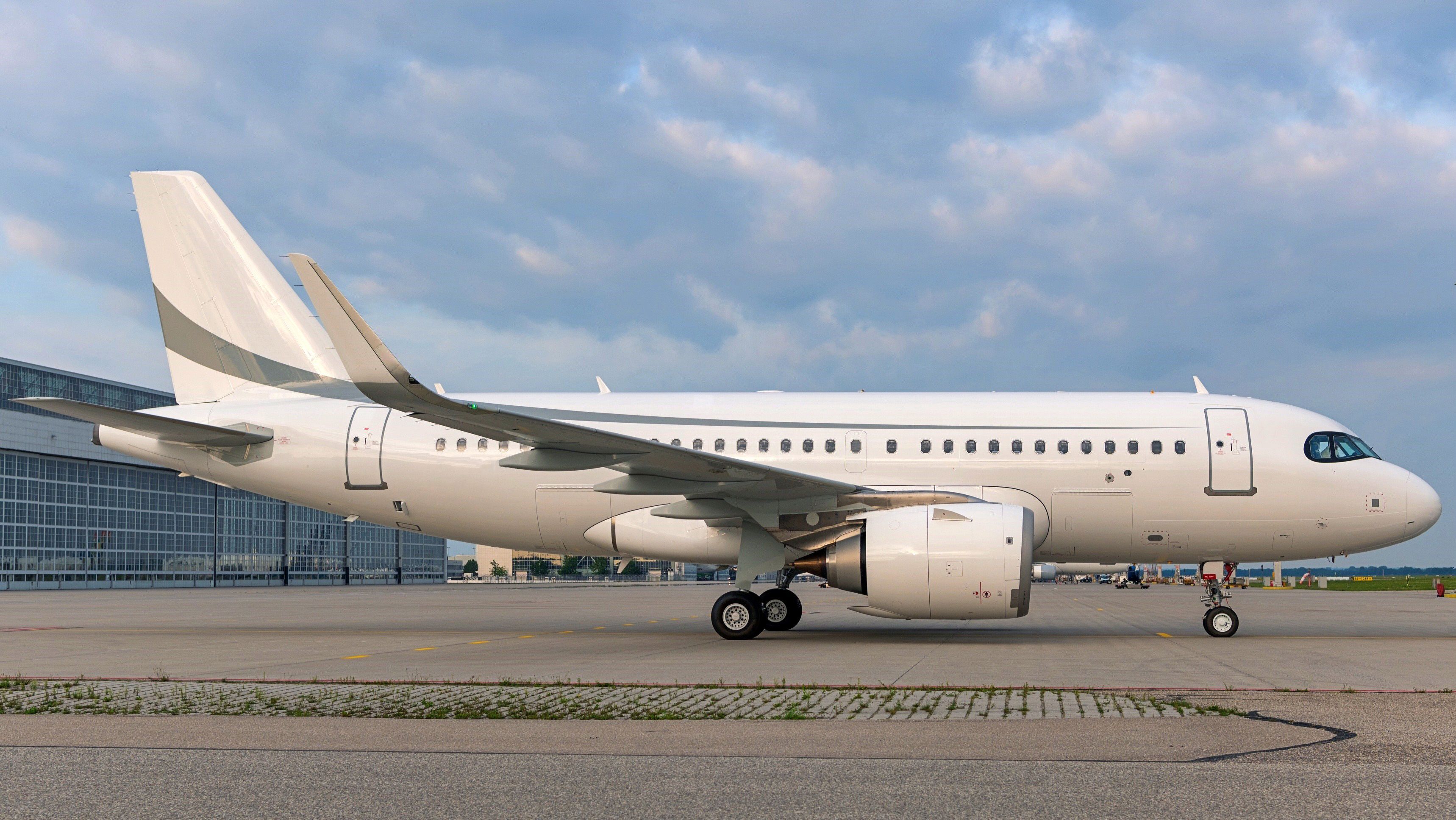

Typical completed aircraft value: USD 100 million to USD 150 million or more.
Indicative annual cost: USD 7 million to USD 12 million or more.
The final step is the private airliner. An Airbus Corporate Jet or Boeing Business Jet starts with an airline-sized airframe and is fitted with a bespoke private interior.
Bedrooms, lounges, offices, conference spaces, dining areas and showers can all be incorporated. The trade-off is an operating structure that begins to resemble an airline rather than a conventional business jet.
What Does It Cost Every Year to Own a Private Jet?
Private jet ownership costs fall into two broad categories: fixed expenses and variable expenses.
Fixed costs continue whether the aircraft flies or stays in the hangar. They typically include pilots, recurrent training, insurance, hangar rent, aircraft management, subscriptions and administration.
Variable costs increase with flight hours. Fuel is the largest obvious expense, but maintenance reserves, engine programmes, airport charges, ground handling, catering and crew travel add substantially to the real hourly cost.
| Expense | Light Jet | Super-Midsize | Large / ULR Jet |
|---|---|---|---|
| Crew | USD 150K–300K | USD 300K–500K | USD 450K–800K+ |
| Hangar | USD 40K–100K | USD 70K–150K | USD 100K–250K+ |
| Insurance | USD 20K–60K | USD 40K–100K | USD 75K–200K+ |
| Fuel & flying costs | USD 500K–1.2M | USD 1.2M–2.5M | USD 2M–4M+ |
| Maintenance reserves | USD 150K–500K+ | USD 400K–1M+ | USD 750K–2M+ |
The Cheap Gulfstream Trap
A cheap purchase price can hide an expensive aircraft
Older Gulfstreams, Falcons and Challengers can occasionally be purchased for less than a new Phenom 300E.
That does not make them cheaper to own. Larger engines, higher fuel burn, heavy inspections, avionics work and engine events can generate seven-figure maintenance bills. Buy the operating budget first. Buy the aircraft second.
How Much Annual Income Should a Jet Owner Have?
Net worth is only half the equation. A private jet consumes cash every year.
If an aircraft costs USD 2 million per year to operate and the owner generates USD 2.5 million of annual disposable cash flow, the aircraft dominates the owner's finances.
If the same USD 2 million sits against USD 15 million or USD 20 million of recurring free cash flow, the economics look completely different.
Wealth vs Liquidity
A USD 100 million net worth does not always mean USD 100 million of spending power.
An entrepreneur whose wealth is concentrated in one private company may have less capacity to carry a jet than someone with a smaller but highly liquid investment portfolio.
When Does Owning Make More Sense Than Chartering?
Annual flight hours matter.
Someone flying 30 or 40 hours per year will usually struggle to justify the fixed costs of whole-aircraft ownership. Charter gives access to an aircraft only when required without carrying pilots, insurance, maintenance and hangar costs throughout the year.
At approximately 75 to 150 hours, jet cards, fractional programmes and block charter arrangements can still make sense.
Whole ownership becomes easier to defend once utilization moves above roughly 200 annual hours and the owner places a high value on aircraft availability, privacy, crew consistency and schedule control.
Can You Charter the Aircraft When You Are Not Using It?
Yes. Some owners place their aircraft with a management company and make it available for third-party charter when it would otherwise sit idle.
That revenue can offset part of the annual carrying cost. It also creates additional flight hours, cycles, maintenance activity and cabin wear.
Charter income should therefore be viewed as an offset rather than the financial assumption making the aircraft affordable.
A Simple Private Jet Wealth Guide
USD 10 Million
Charter is generally the cleaner financial option.
USD 20 Million
An older light jet may be possible, but annual expenses can consume a meaningful percentage of free cash flow.
USD 50 Million
Modern very light and entry-level jets become more realistic.
USD 100 Million
Phenom 300E and Citation CJ4 Gen2 ownership becomes considerably easier to carry.
USD 250 Million
Challenger 3500, Praetor 600 and Citation Longitude territory.
USD 500 Million
Modern large-cabin Gulfstreams and Falcons become more proportionate to total wealth.
USD 1 Billion+
Gulfstream G700, Global 7500 and other flagship aircraft fit much more naturally into the owner's balance sheet.
Frequently Asked Questions
How rich should you be before buying a private jet?
Older light-jet ownership can become possible around USD 15 million to USD 30 million of net worth. A stronger financial position for a modern private jet usually begins around USD 50 million to USD 100 million, depending on liquidity and annual income.
How much does a private jet cost every year?
A light jet can cost several hundred thousand dollars to more than USD 1 million annually. Super-midsize jets can exceed USD 3 million, while large ultra-long-range aircraft can cost USD 4 million to USD 7 million or more each year.
Can someone worth USD 20 million own a private jet?
Yes, particularly an older light jet. The larger issue is whether the owner has enough recurring liquidity to carry maintenance, fuel, crew and other annual expenses without the aircraft dominating personal finances.
What net worth do you need for a Gulfstream?
Older Gulfstreams can be acquired at much lower wealth levels, but a modern G500 or G600 fits more comfortably with several hundred million dollars of net worth. A flagship G700 becomes much more proportionate around billionaire-level wealth.
Is it cheaper to charter or own a private jet?
For low annual usage, charter is usually financially simpler. Whole ownership becomes more compelling as annual flight hours rise and the owner places more value on guaranteed availability, privacy, crew consistency and schedule control.
So, How Rich Do You Really Need to Be?
There is no universal minimum net worth for private jet ownership.
The better test is whether you can purchase the aircraft, operate it correctly, absorb a major maintenance event, accept depreciation and eventually replace it without the aircraft changing your broader financial strategy.
For an older light jet, that can begin around USD 15 million to USD 30 million.
For a modern light jet, USD 50 million to USD 100 million creates a much stronger financial position.
Super-midsize jets fit more naturally around USD 250 million. Modern large-cabin aircraft become easier to absorb with several hundred million dollars of wealth.
For the Gulfstream G700, Global 7500 and similar ultra-long-range aircraft, billionaire-level wealth changes the economics considerably.
The aircraft should serve the owner. The owner's finances should never have to serve the aircraft.
Considering Leasing Instead of Buying?
Discuss your aircraft requirements, intended use and preferred lease term with BlueCube Aviation.
Request an Aircraft Leasing Quote →Aircraft values and operating costs are indicative ranges. Actual expenditure depends on model year, aircraft condition, annual utilization, maintenance programme, fuel prices, crew location, insurance, hangar costs, taxes and operating jurisdiction. Financing costs and depreciation may be additional.
For partnerships, media, and collaboration opportunities, contact us directly at info@acmiworld.com.


