How Much Does It Cost to Lease a Private Jet?
Published 2026 ranges for monthly private jet leases by cabin class, plus the operating costs that sit on top.
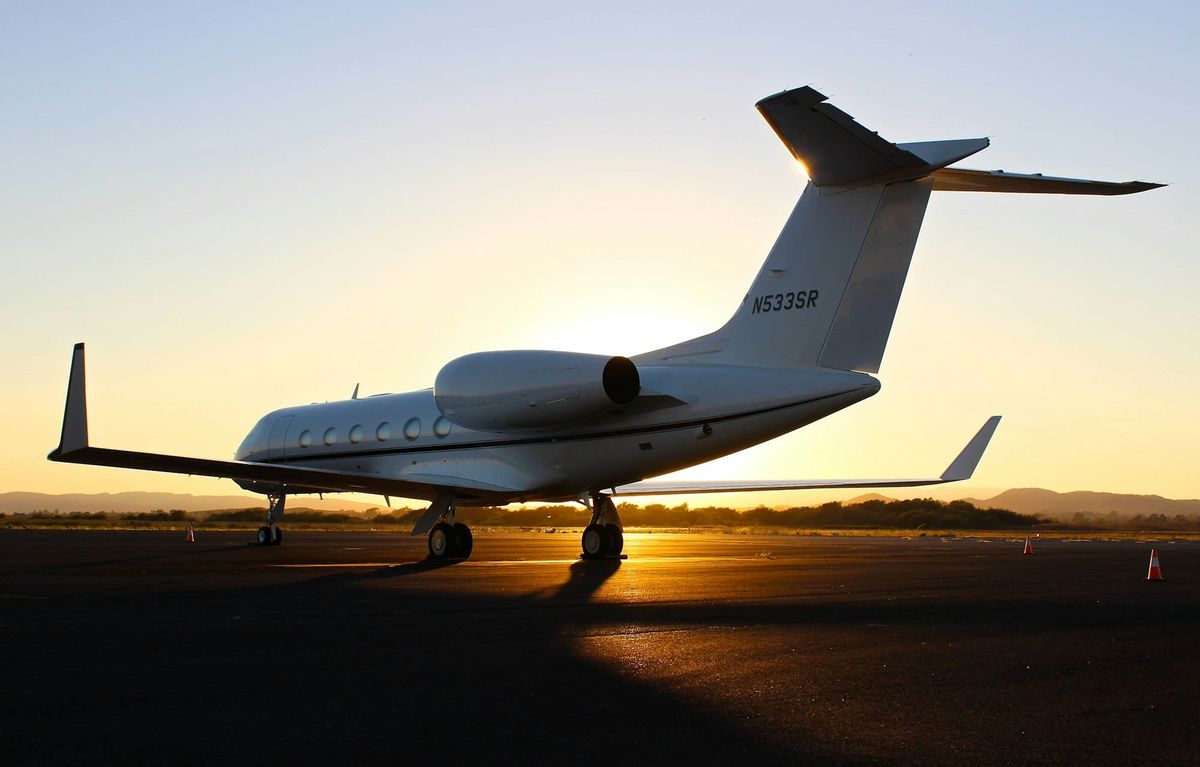
Leasing a private jet typically costs between about $80,000 and $160,000 a month for a light jet, and from $400,000 to more than $1 million a month for a large-cabin or ultra-long-range aircraft, according to published 2026 industry ranges from FLYT (6 June 2026). Those figures are the base lease payment. Fuel, crew, maintenance reserves, insurance, hangar and airport charges sit on top of a dry lease, and FLYT notes that these variable costs can nearly double the effective hourly cost.
Published guides do not agree on a single number, and they should not. Cabin class, aircraft age, contracted hours, lease term, geography and whether the contract is dry or wet all move the rate. This article sets out the dated ranges that are actually in public sources, what is usually included, and how to compare a lease with charter or ownership before you request quotes.
What a private jet lease cost actually covers
A private jet lease is a term contract, not an on-demand charter. FLYT describes typical terms of 12 to 60 months, with contracted annual hours commonly falling between 50 and 400 or more, depending on the aircraft and the mission. PrivateJetTravel (1 September 2025) likewise notes that some leases cap annual hours, for example in a 200 to 400 hour band, and that longer terms often come with lower monthly rates.
The structure of the lease matters as much as the headline monthly figure:
- Dry lease. You take the aircraft only. Crew, insurance, maintenance and day-to-day operations sit with the lessee, often through a management company or an existing flight department. The base payment is usually lower. The operating budget is not.
- Wet lease or ACMI. The lessor provides the aircraft together with crew, maintenance and insurance under one contracted rate. FLYT notes that even then the lessee typically still pays fuel, airport fees, catering and applicable taxes. For how ACMI is used between business aviation operators, see our companion guide on business jet ACMI lease costs and terms, and the existing explainer on wet lease versus dry lease.
FLYT also reports that monthly lease payments are often about 0.8% to 1.5% of the aircraft's value, typically excluding operating expenses, and that a 5% to 20% upfront deposit is common. Escalation clauses of 2% to 4% a year should be modelled across the full term, because a quote that looks cheap in month one may not be cheap in month 36.
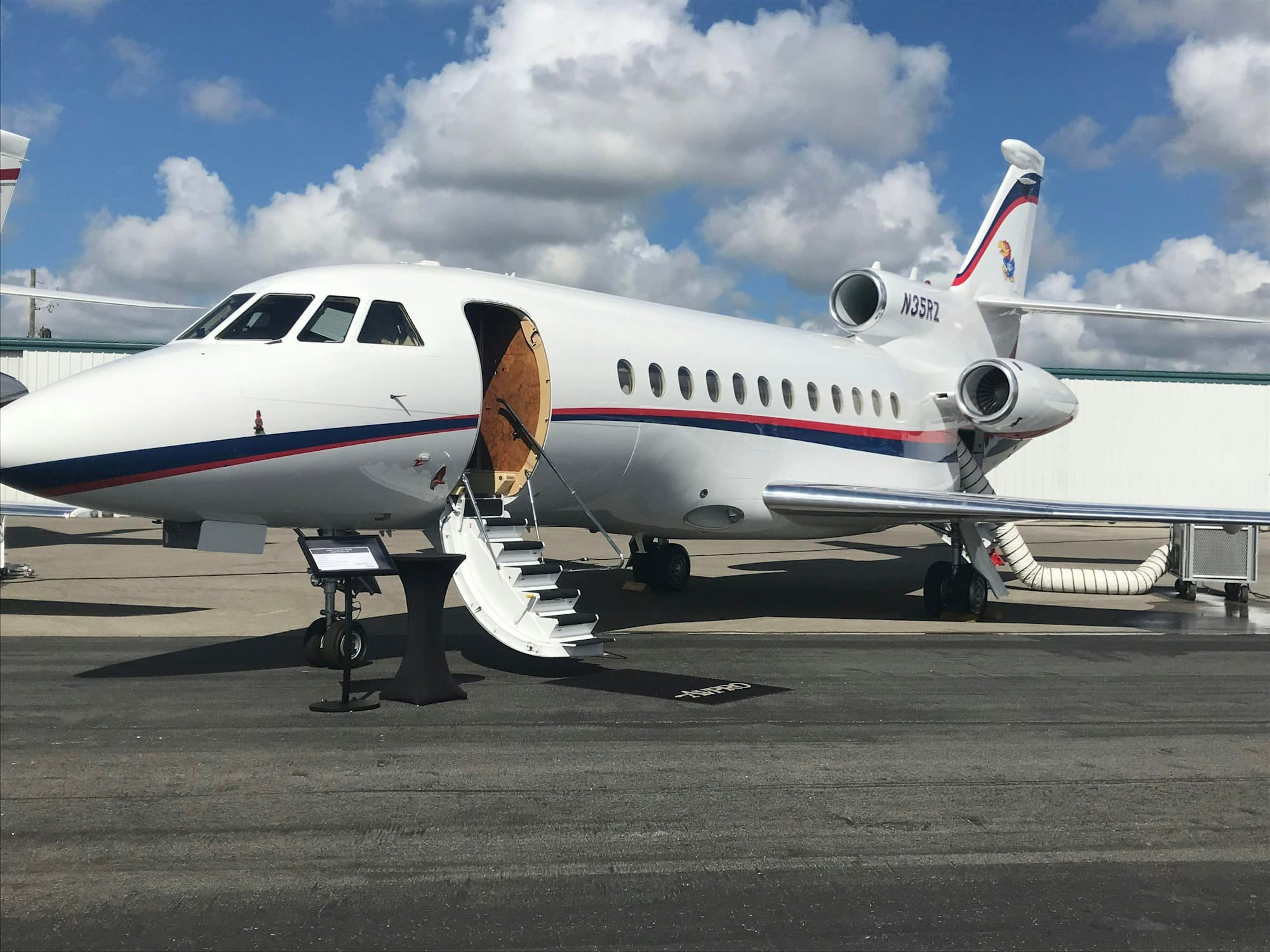
Published monthly lease ranges by cabin class
The two tables below are not appraisals and they are not ACMIWORLD's own survey. They are the ranges each source published on the date shown. Use them as a starting band when you read a quote, not as a price list.
| Cabin class | FLYT, 6 June 2026 (indicative monthly base, excluding fuel and trip costs) | PrivateJetTravel, 1 September 2025 (typical monthly ranges) |
|---|---|---|
| Turboprop | About $55,000 to $110,000 | $50,000 to $100,000 |
| Light jet | $80,000 to $160,000 | $100,000 to $150,000 (examples: Phenom 300, Citation CJ3) |
| Midsize jet | $160,000 to $300,000 | $150,000 to $250,000 (examples: Learjet 60, Citation XLS) |
| Super-midsize jet | About $250,000 to $450,000 or more (FLYT only) | Not separately listed |
| Heavy or large-cabin / long-range | Large-cabin and ultra-long-range from $400,000 up to seven figures | Heavy jets $300,000 to $500,000; long-range $500,000 to $700,000 or more (examples: Challenger 650, Gulfstream GIV; Global 6000, Gulfstream G650) |
The bands overlap, but they are not identical. A midsize quote of $280,000 a month sits inside FLYT's 2026 midsize band and above PrivateJetTravel's 2025 midsize band. That is a reason to ask what is included, not a reason to average the two sources into a single made-up midpoint.
Wet leases cost more at the base-payment level because the lessor is carrying crew, training and insurance. FLYT gives one worked illustration: in 2026, a wet lease of a light jet such as an Embraer Phenom 300 might run roughly $110,000 to $170,000 a month, excluding fuel and trip-related costs. That is higher than the same source's light-jet base range, which is the point of the example.
Costs that sit on top of the monthly payment
On a dry lease, the monthly rate is only the starting line. Buyers should budget separately for:
- Fuel. FLYT's 2026 illustrative fuel bands are $1,800 to $3,000 per flight hour for light jets, $2,500 to $4,500 for midsize jets, and $1,800 to $8,000 for large-cabin jets depending on size. Fuel share of active flight costs can exceed 20%, and it moves with sector length and posted jet-fuel prices.
- Crew. Salary, training, hotels, duty-time limits and out-of-hours callouts. A dry lease without a flight department usually needs a management company to employ or contract the crew.
- Maintenance reserves and inspections. Some lessors include a partial reserve in the base rate. Others bill engine, airframe and APU reserves separately. FLYT flags this as a difference that materially changes how quotes compare.
- Insurance, hangar and parking. Hull and liability premiums vary with the aircraft's value, the operator's record and the region of use.
- Airport, handling and taxes. Landing and handling fees, and, on U.S. commercial-use flights where it applies, federal excise tax.
- Positioning, redelivery and restoration. Empty legs to place the aircraft, end-of-lease paint and cabin work, and any return-condition true-up.
PrivateJetTravel's September 2025 FAQ puts annual lease cost, as a broad published range, from about $1.2 million for light jets to more than $7 million for long-range aircraft, depending on structure and usage limits. Treat that as the same source's annual view of its monthly table, not as an independent data set.
Hours, utilisation and when a lease beats charter
Hours are the variable that most often decides whether a lease is the right product. FLYT's 2026 guidance is that leasing is often the more cost-effective path for travellers logging more than 200 hours a year on stable, repeatable routes. Below roughly 150 to 200 flight hours a year, it says charter, rental or membership access tends to be more capital-efficient.
That threshold is a rule of thumb, not a law. A 180-hour year with one repeating city pair and a need for a dedicated cabin configuration can still favour a lease. A 250-hour year spread across many aircraft types, or with large month-to-month swings, may still favour charter. For trip-by-trip pricing, compare a lease model with the figures in how much it costs to charter a private jet in 2026.
If the live question is lease versus buy, the cash comparison has to include residual value risk, downtime, crew and hangar, not only the purchase price. Our shorter overview of private jet leasing versus ownership sets out that trade-off. Purchase-price context is in how much a private jet costs to buy in 2026.
A worked ACMIWORLD cost example
Published ranges are useful. A single, fully specified scenario is often easier to test a quote against. ACMIWORLD has already published a private jet lease example with real costs, built around a Challenger 3500 on a 36-month lease with about 250 to 325 hours a year and an illustrative all-in figure of about £3.5 million a year. That is one UK-centred, aircraft-specific case. It is not a global average, and it should not be rescaled as if every midsize or super-midsize lease costs the same.
When you read that example next to the FLYT and PrivateJetTravel tables, keep the currency, the hour assumption and the cost stack in view. A monthly base rate in U.S. dollars and an annual all-in figure in pounds are not interchangeable without an explicit conversion and a clear list of what was included.
How to compare private jet lease quotes
Ask every lessor or broker to put the following in writing. If two quotes cannot be lined up on these points, you are not comparing the same product:
- Dry, wet or ACMI, and a line-item list of what the monthly or hourly rate includes.
- Guaranteed annual or monthly hours, the overage rate, and what happens if you fly fewer hours than the minimum.
- Aircraft year of manufacture, engines, cabin specification, and maintenance status, including time or cycles to the next heavy inspection.
- Deposit amount, whether it is refundable, and any escalation clause.
- Insurance requirements, and whether the lessee must be named on the policy.
- Geographic limits, approved airports, and any sub-charter or third-party use rights.
- Redelivery location, return conditions, and responsibility for restoration.
- Positioning at delivery and redelivery, and who pays those block hours.
Buyers looking for available aircraft can review current listings on the ACMIWORLD marketplace. If you need a specific cabin class or a defined hour block and cannot see it listed, post an aircraft-wanted request. Operators and owners who want to put a jet on the market can list an aircraft.
FAQ
How much does it cost to lease a private jet per month?
According to FLYT's 6 June 2026 guide, indicative monthly base payments (excluding fuel and trip costs) are about $80,000 to $160,000 for light jets, $160,000 to $300,000 for midsize jets, and $400,000 to more than $1 million for large-cabin and ultra-long-range aircraft. PrivateJetTravel's 1 September 2025 table sits in a similar, slightly tighter set of bands. Your quote will move with aircraft type, term, hours and whether the lease is dry or wet.
Is the monthly lease payment the full cost?
No. On a dry lease, fuel, crew, maintenance, insurance, hangar and airport charges are usually extra. FLYT states that these variable costs can nearly double the effective hourly cost. Even on a wet lease, fuel, airport fees, catering and taxes are commonly still for the lessee's account.
How many hours a year justify a private jet lease over charter?
FLYT's 2026 guidance points to more than 200 hours a year with stable routes as the zone where a lease often makes more sense, and to roughly 150 to 200 hours as the zone where charter or membership is often more efficient. Run the comparison with your actual city pairs, peak months and cabin requirements rather than the threshold alone.
Do I need to pay a deposit?
FLYT reports that a 5% to 20% upfront deposit is typical. Confirm whether it is a security deposit, an advance of rent, or both, and the conditions for its return at the end of the term.
Can an individual lease a private jet, or is it only for companies?
Both can, but the regulatory and insurance path is not the same as booking a charter. A dry lease may require a management company, an operating certificate arrangement, or both. PrivateJetTravel notes that most long-term agreements are structured with business use in mind. Get legal and tax advice in the jurisdiction where the aircraft will be based and flown.
Why do two published tables disagree?
Because they are dated snapshots from different authors, not a single appraisal file. Aircraft age, region, wet versus dry structure and the month of the survey all change the band. When sources disagree, quote both ranges with their dates, then ask the lessor to show where a specific aircraft sits and why.