
Top Aircraft Engine Power-by-the-Hour and RPFH Support Programmes
Nine engine power-by-the-hour and rate per flight hour programmes compared from OEM and provider sources, for airlines, ACMI operators and business jet owners.

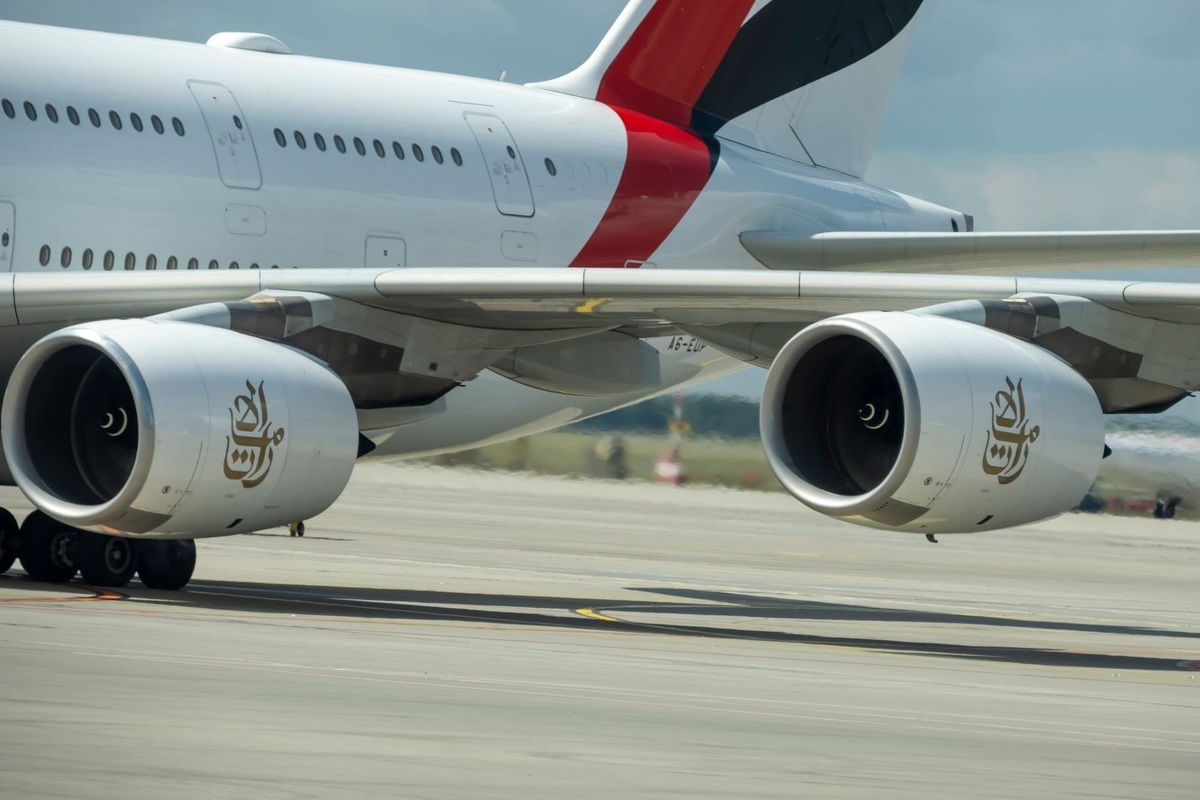
Engine shop visits are the single largest maintenance cost on most aircraft, and they arrive in lumps. Power-by-the-hour programmes, also sold as rate per flight hour (RPFH), fly-by-hour or hourly cost maintenance, turn that lump into a fixed payment per engine flight hour. The provider takes the shop visit risk, and the operator gets a predictable cost and, usually, access to lease engines when one comes off wing.
For ACMI operators the stakes are higher than for most airlines. A grounded engine means a missed block hour guarantee, and lessors and lessees both look at engine cover when pricing a wet lease. This list compares OEM and independent programmes. It is not a paid ranking, and none of the providers publish their hourly rates.
How we chose these programmes
Each programme was checked this session on the provider's own website or press releases. We kept programmes that charge per flight hour or per cycle and state what they cover. For contract terms to compare, see our guide to engine programme terms buyers compare. If cover lapses or an engine is off wing for months, our notes on spare engine leasing companies and ACMI lease for engine groundings cover the fallback options.
Top engine power-by-the-hour and RPFH programmes
1. CFM International Rate Per Flight Hour
CFM sells RPFH agreements for LEAP and CFM56 engines, guaranteeing maintenance costs on a per engine flight hour basis for the contract term. Example: flynas signed a multi-year RPFH agreement for 160 LEAP-1A engines on its A320neo fleet, valued at US$4 billion at list price. Fit: A320 family and 737 operators who want OEM cover across a large fleet.
2. Rolls-Royce TotalCare
TotalCare is Rolls-Royce's risk transfer service for its civil engines, including the Trent families. Payment is in dollars per engine flying hour, and the service covers predictive maintenance planning, workscope creation and management, and off-wing repair and overhaul, with Rolls-Royce taking the shop visit cost risk for planned and unplanned events.
3. Rolls-Royce CorporateCare Enhanced
CorporateCare Enhanced is the business aviation version, a fixed cost per flying hour engine maintenance programme that is standard for all new CorporateCare customers. In October 2026 Rolls-Royce added cover for minor foreign object damage repairable on wing or near wing, with no increase to the hourly rate.
4. GE Aerospace OnPoint
OnPoint is GE Aerospace's support programme for business jets. GE says it covers the entire integrated propulsion system, including loaner engines, nacelles and line replaceable units, uses prognostic health monitoring, and is fully transferable if the aircraft is sold, transferred or leased.
5. Pratt & Whitney Canada ESP
The Eagle Service Plan (ESP) is a pay-per-hour programme for P&WC engines with no annual flying minimum, and it transfers when the aircraft is sold. All levels cover overhaul, hot section inspection, service bulletins, lease engine support and trend monitoring. Gold adds life-limited part replacement and mobile repair teams for AOG events, and Platinum adds routine periodic inspections and environmental damage repair. Fit: turboprop and light jet operators, including PT6A fleets.
6. Honeywell Maintenance Service Plan (MSP)
Honeywell MSP has run for 50 years and covers Honeywell engines and APUs. Honeywell has added hourly pricing options, usage-based billing tied to actual flight hours or cycles, and an In Lieu of Warranty option for aircraft still under OEM warranty, so cover can start before the warranty ends.
7. Safran Helicopter Engines SBH
Support By the Hour (SBH) gives helicopter operators a guaranteed cost per flight hour for engine maintenance, delivered through Safran's certified network with engine replacement included. SBH 5Star, for fleets of up to five helicopters, comes in Shield, Business and Ultimate versions, and accrued provisions can transfer if the helicopter is sold.
8. JSSI
JSSI is the independent option. Founded in 1989 and headquartered in Chicago, it offers hourly cost maintenance that is not tied to one manufacturer, launched APU and airframe cover and its Tip-to-Tail programme in 1997, and says it supports about 30% of the world's business jets. Fit: owners of mixed fleets or older aircraft where OEM cover is not on offer.
9. MTU Maintenance
MTU Maintenance is an independent engine shop that sells fly-by-hour contracts to airlines. A published example: JetBlue awarded MTU Maintenance Hannover a sole-supplier fly-by-hour contract for up to 360 V2500 engines, running 10 years and worth about EUR 750 million, renewable twice for five years each. Fit: airlines on mature engine types that want an alternative to OEM pricing.
How the hourly rate is built
A provider prices an hourly programme from its own data on how often a given engine type needs a shop visit, what that visit costs, and how the operator's flying profile affects wear. Short sectors, hot and sandy airports and high thrust ratings all shorten the time between shop visits, so two operators of the same engine can pay different rates. Most contracts escalate the rate each year, and many set a minimum number of hours or adjust the rate if utilisation falls outside an agreed band.
Life-limited parts are the other big variable. Some programmes include their replacement, while others charge separately or only cover them at higher service levels, as with P&WC's Gold and Platinum ESP tiers. When an aircraft joins a programme mid-life, expect an entry fee or a buy-in payment to account for wear that happened before enrolment. Ask for the entry conditions in writing, including any required inspection, before you compare headline rates.
How to use this list
Compare programmes on what is excluded rather than what is included. The usual gaps are foreign object damage, life-limited parts, removal and installation labour, freight and lease engine fees. Check how the rate escalates each year, what minimum utilisation applies, how reserves move if you sell or lease the aircraft, and who decides the shop visit workscope.
Lessors and ACMI operators should also check whether the programme follows the aircraft into a wet lease or a sublease. Operators looking for spare engines or short-term lift to cover an engine shortfall can post a request on the ACMIWORLD marketplace (Access, Listing and Request are paid subscriptions).
FAQ
What is the difference between PBH and RPFH?
None in principle. Power-by-the-hour is the generic term, and rate per flight hour is the name CFM and others use for the same idea: a fixed payment per engine flight hour in return for agreed maintenance cover.
Does engine cover transfer when an aircraft is sold?
Many programmes say it does, including P&WC ESP, GE OnPoint and Safran SBH. Enrolled aircraft often sell more easily because buyers inherit the accrued cover.
Are OEM programmes better than independent ones?
OEM programmes give direct access to the manufacturer's parts and engineering. Independent programmes such as JSSI or MTU can be more flexible on mixed fleets and older engines. Compare exclusions and transfer terms side by side.
Why does engine cover matter for ACMI contracts?
Because ACMI pricing assumes the operator can keep the aircraft flying its guaranteed hours. Strong engine cover with lease engine support reduces the risk of a missed block hour commitment.