Cargo ACMI Lease: How Freighter Wet Leases Work
How a cargo ACMI lease is structured, which freighter classes are used, and the contract terms that matter as much as the hourly rate.
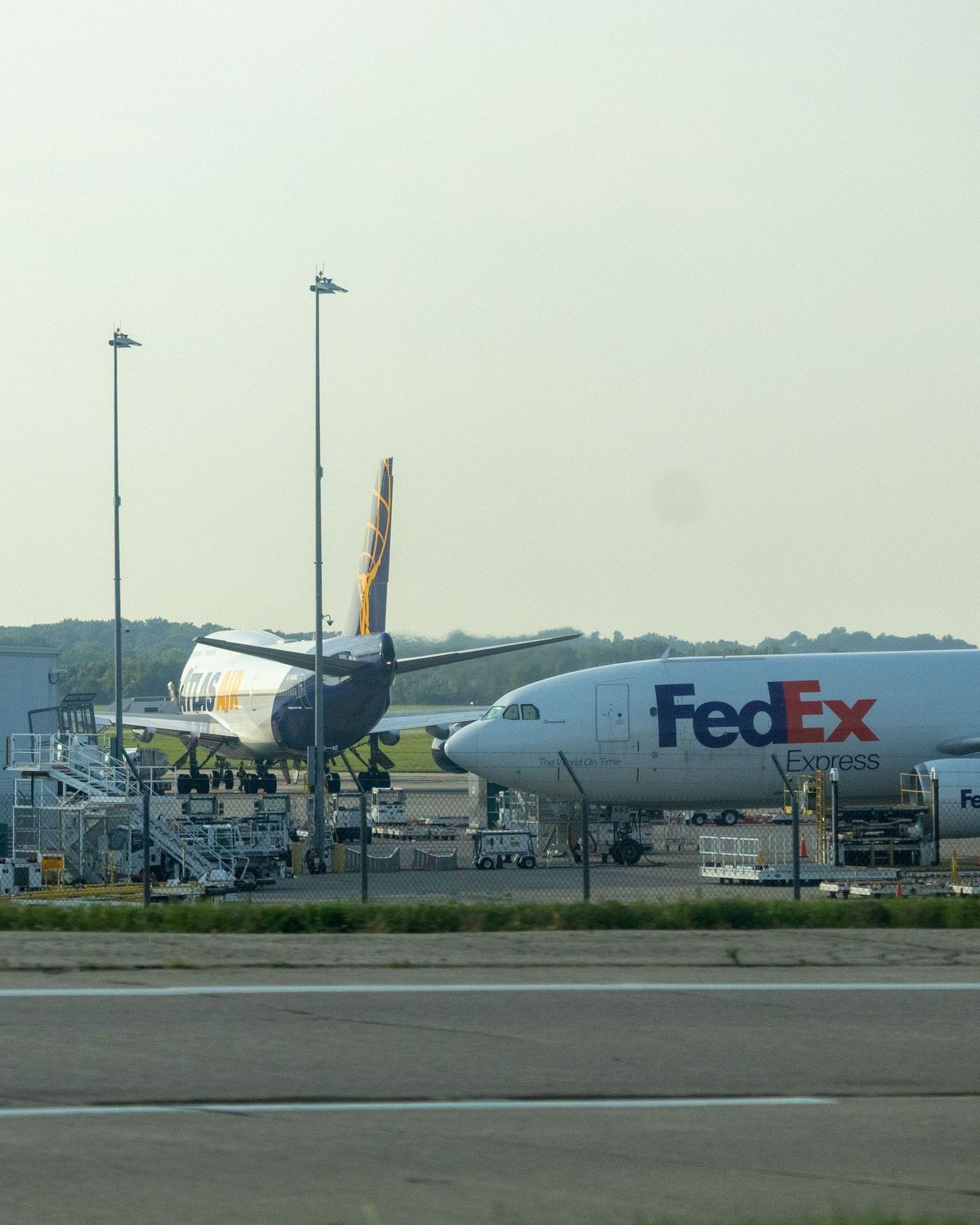
A cargo ACMI lease is a freighter wet lease. The lessor provides the aircraft, crew, maintenance and insurance. The lessee pays a contracted rate, typically per block hour, and usually covers fuel, airport and overflight charges, and cargo handling. Airlines, integrators and forwarders use this structure to add lift for a season, a new lane or a fleet gap without putting a freighter on their own air operator certificate for that period.
This article explains how the product is built, which freighter classes are commonly used, and which contract terms actually decide whether a quote is usable. It is not a substitute for a rate card. For published planning bands and a cost breakdown, use cargo ACMI pricing per block hour explained. For the request-for-proposal process, use how to structure a cargo ACMI RFP.
How a cargo ACMI lease is structured
ACMI is an acronym for aircraft, crew, maintenance and insurance. In cargo, that usually means:
- Aircraft. A specified freighter, or a specified type with the right to substitute an equivalent tail, with cargo door, floor and loading-system details written down.
- Crew. Type-rated flight crew, and any required loadmasters, provided by the lessor and operating under the lessor's procedures.
- Maintenance. The lessor keeps the aircraft airworthy during the term, subject to the contract's split between included line work and heavier shop visits.
- Insurance. Hull and liability cover at agreed limits, with the lessee and, where relevant, the lessee's customers named as required.
Operational control stays with the lessor. The aircraft flies under the lessor's AOC, flight-time limitations and operations manual. The lessee buys capacity: payload on a route, or a block of hours out of an agreed base, for a defined term.
That is different from a dry lease, where the lessee puts the freighter on its own certificate and provides its own crew. It is also different from a one-off cargo charter, which prices a rotation or a single flight rather than a multi-week or multi-month programme. The same type can be offered in all three forms. The contract, not the airframe, is what you are buying. For the wider product map, see damp lease versus wet lease versus ACMI.

Freighter classes used on cargo ACMI
Payload, range and door geometry decide whether a type can do the work. Official manufacturer data is the right starting point. Boeing's current freighter family page lists:
- Boeing 737-800 Boeing Converted Freighter: maximum structural payload of 24 tonnes and 2,000 nautical miles (3,700 km) of range with that payload. This is the standard-body feeder used for regional express and general cargo.
- Boeing 767-300 Freighter and 767-300 Boeing Converted Freighter: maximum structural payload of 57 tonnes and 3,300 nautical miles (6,110 km) of range with that payload. Boeing describes the type as its medium-widebody freighter for e-commerce and express networks. Type-specific ACMI commercial points are covered in Boeing 767-300F ACMI wet lease costs and terms.
- Boeing 777 Freighter: maximum structural payload of 107 tonnes and 5,000 nautical miles (9,260 km) of range. Boeing lists a maximum takeoff weight of 347,810 kg (766,800 lb) and 27 main-deck pallets.
- Boeing 777-8 Freighter (incoming): Boeing lists 118 tonnes maximum structural payload and 5,000 nautical miles of range with a 110-tonne payload, and 31 main-deck pallets.
Converted A321 passenger-to-freighter aircraft and factory or converted A330 freighters also appear in ACMI fleets, as do larger 747 freighters when nose-loading or very high volume is required.
The official Boeing figures above, summarised:
| Type (Boeing commercial freighter page) | Maximum structural payload | Range with stated payload |
|---|---|---|
| 737-800BCF | 24 tonnes | 2,000 nautical miles (3,700 km) with a 24-tonne payload |
| 767-300F and 767-300BCF | 57 tonnes | 3,300 nautical miles (6,110 km) with a 57-tonne payload |
| 777 Freighter | 107 tonnes | 5,000 nautical miles (9,260 km) |
| 777-8 Freighter (incoming) | 118 tonnes | 5,000 nautical miles with a 110-tonne payload |
A type-by-type shortlist is in the 10 best cargo aircraft for ACMI leasing in 2026.
Boeing also states on that freighter page that the global freighter fleet is projected to grow by 67% over the next 20 years, and that Boeing aircraft provide more than 90% of global freighter capacity today. Those are manufacturer market claims, not ACMI rate forecasts, but they explain why medium and large freighter ACMI remains a standing product rather than a rare emergency hire.
How cargo ACMI is priced, without turning this into a rate card
Most cargo ACMI agreements are priced per block hour, with a monthly or term hour minimum. Fuel, overflying and airport charges, and ground handling are usually shown separately. Positioning to the start base, and the empty or ferry legs at redelivery, can be a large part of the first and last invoices.
Independent planning bands exist, and they should be labelled as such. Cargo Charter Network's 767-300F type page says medium freighters are planned at roughly $9,200 to $12,400 per block hour. Its 777F type page gives a planning band for the large-widebody class of roughly $14,500 to $19,500 per block hour before positioning. Both pages discuss charter and ACMI capacity, and both describe the figures as indicative planning values that move with fuel, season, route and the length of the positioning leg.
Those bands are useful for a first filter. They are not a substitute for an operator quote on a defined tail, base and minimum-hour commitment. Regional corridor rates can sit well outside a global planning band, so a figure taken from one geography should not be applied to another. IBA's 24 July 2026 market update also noted strength in converted narrowbody freighter values, with 737-800 and A321-200 passenger-to-freighter base values up by about 17% on average in that review. Value movement is not an ACMI rate, but it is one reason feeder freighter ACMI has not been a soft market.
Contract terms that matter as much as the hourly rate
A low block-hour figure with a high minimum, long positioning, or a weak substitution clause can cost more than a higher headline rate. Align every offer on:
- Aircraft identity. Factory freighter versus converted freighter, door type, main-deck positions, floor strength, and any loading-system limits. Converted tails vary. Confirm figures for the offered aircraft, not only the type brochure.
- Payload and volume guarantee. Structural payload is not the same as usable payload on a given sector. Temperature-controlled or dangerous-goods loads may reduce it further.
- Minimum block hours and the rate that applies if the lessee flies fewer hours.
- Overage hours, notice periods, and crew-duty or night-curfew constraints that cap how those hours can be flown.
- Basing and crew accommodation. Where the aircraft and crew live during the term, and who pays hotels, per diems and visas. ACMIWORLD's note on how ACMI operators house crews during 3-12 month deployments covers the practical side of that line.
- Maintenance downtime and substitution. Whether the lessor must provide a replacement aircraft if a shop visit or a defect takes the contracted tail off line.
- Permits and traffic rights. The lessor holds the AOC, but the lessee may still need to support foreign operator permits, traffic-right filings or airport slots on the intended routes.
- Dangerous goods, pharma and special loads. Operator approvals, ULD types and ground-handling capability at both ends of the lane.
- Insurance, liability and claims. Limits, deductibles, cargo liability, and how delay or cancellation is treated.
- Delivery, redelivery and law. Location, fuel, records, governing law and repossession or early-termination rights.
The RFP article linked above is written so that these items appear in the first request, not in a late revision.
When a cargo ACMI lease is the right product
Cargo ACMI fits when you need a programme, not a single flight. Typical cases include a seasonal perishables or e-commerce peak, a new long-haul lane you are not ready to put on your own certificate, cover for a freighter in heavy maintenance, or a multi-month contract for an integrator or forwarder network. A one-off oversized or emergency shipment is usually a charter problem. A multi-year need on your own AOC, with your own crew, is usually a dry lease or a purchase.
If you already know the type and still need capacity, start with current supply on the ACMIWORLD marketplace. If the type, payload or dates are not listed, post an aircraft-wanted request. Operators who can offer a freighter on ACMI can list the aircraft. A shortlist of operators is in the top 10 cargo ACMI providers in 2026.
FAQ
What is a cargo ACMI lease?
It is a freighter wet lease: the lessor provides the aircraft, crew, maintenance and insurance under its own air operator certificate, and the lessee pays for a defined block of capacity, usually priced per block hour, for a set term.
How is cargo ACMI different from a cargo charter?
A charter usually prices a flight or a rotation. ACMI prices a programme: a term, a base, a minimum number of block hours and an operating package. The same 767-300F or 777F can be offered either way. The contract terms, not the paint, tell you which product you have.
What payload can common ACMI freighters carry?
Boeing's official freighter page lists 24 tonnes for the 737-800BCF, 57 tonnes for the 767-300F and 767-300BCF, and 107 tonnes for the 777F, each with the range figures cited above. Usable payload on a given sector will be lower than the structural maximum when fuel, runway or loadability is the constraint.
What planning rates are published for 767-300F and 777F capacity?
Cargo Charter Network publishes planning bands of roughly $9,200 to $12,400 per block hour for medium freighters on its 767-300F page, and roughly $14,500 to $19,500 per block hour before positioning for the large-widebody class on its 777F page. Both are indicative, and both move with fuel, season, routing and positioning. They are not ACMIWORLD's rates.
Does the ACMI rate include fuel and handling?
Usually not. The ACMI rate covers aircraft, crew, maintenance and insurance. Fuel, airport and overflight charges, and cargo handling are commonly billed to the lessee, along with positioning hours unless the contract says otherwise.
How long does a cargo ACMI contract run?
Terms follow the mission. Peak-season cover may last a few months. Integrator or network programmes may run a year or more. The minimum hour commitment, crew basing and substitution rights should be set for that term at the same time as the hourly rate.