
Bose A30 vs Lightspeed Zulu 4 Headset Comparison
Compare Bose A30 and Lightspeed Zulu 4 on ANR, comfort, Bluetooth, battery life, warranty, certification and price before buying.

Two Premium ANR Headsets With Very Different Strengths
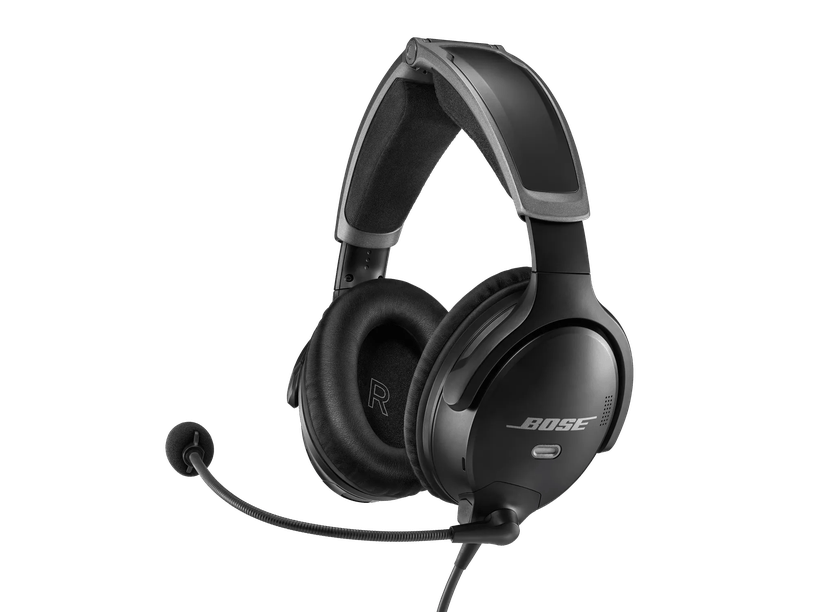
The Bose A30 and Lightspeed Zulu 4 sit near the top of the premium aviation headset market, but the better choice depends on what you actually value in the cockpit.
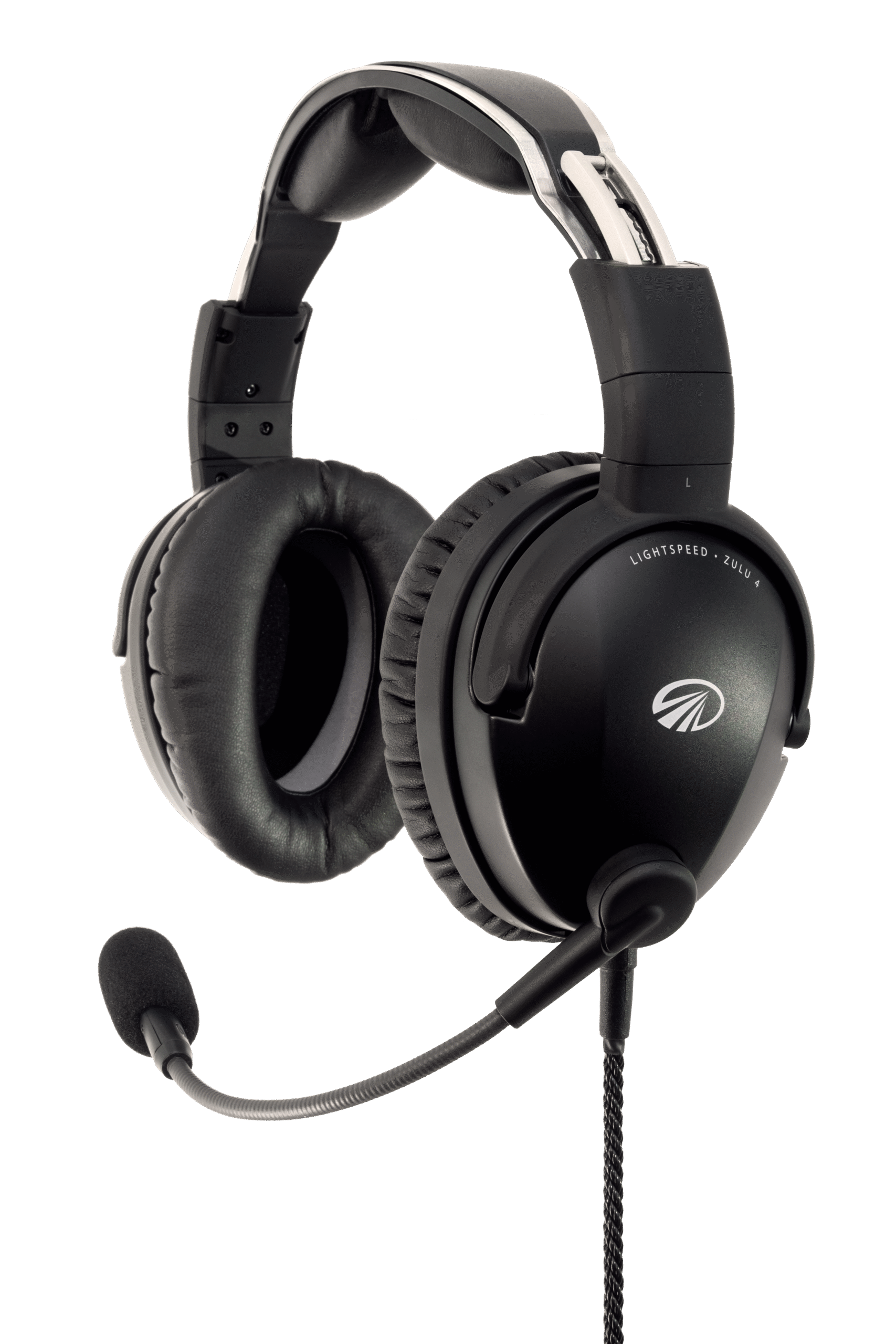
Bose's A30 is lighter, offers three selectable active noise reduction settings and carries FAA TSO and EASA E/TSO-C139a certification. Lightspeed's newer Zulu 4 costs less, adds dual Bluetooth, introduces FrameFit ear seals for pilots wearing glasses or sunglasses and carries a seven-year warranty.
For most private pilots, the Zulu 4 currently provides the stronger feature-per-dollar proposition. For pilots prioritising low clamping force, lower headset weight, selectable noise reduction or TSO certification, the Bose A30 remains difficult to beat.
Quick Verdict
Buy the Bose A30 for minimum fatigue. Buy the Zulu 4 for maximum value.
At current US manufacturer pricing, the A30 is $1,299 and the Zulu 4 is $1,099. The extra $200 buys the Bose's lighter architecture, selectable ANR and aviation certification. Lightspeed counters with dual Bluetooth, FrameFit ear seals, cockpit recording capability and a seven-year warranty.
Choose the Bose A30 if
- Low headset weight matters most.
- You frequently fly long sectors.
- You want selectable ANR levels.
- You need TSO-certified equipment.
- You regularly move between GA and professional aircraft.
Choose the Lightspeed Zulu 4 if
- You want to spend around $200 less.
- You fly wearing glasses or sunglasses.
- Dual Bluetooth matters.
- You want cockpit audio recording.
- You value a seven-year warranty.
How this comparison was prepared
This is an editorial specification and feature comparison rather than a hands-on laboratory test. Manufacturer technical data, current pricing, warranty information and current product documentation were reviewed in August 2026. Cockpit comfort remains subjective, so pilots should use available trial or return periods whenever possible.
Bose A30 vs Lightspeed Zulu 4 at a Glance
| Feature | Bose A30 | Lightspeed Zulu 4 |
|---|---|---|
| Current US price | $1,299 | $1,099 |
| ANR | Three selectable modes | Premium active noise reduction |
| Battery | Up to 45 hours | About 40 hours |
| Bluetooth | Available on Bluetooth versions | Dual Bluetooth |
| Glasses-focused ear seals | Standard around-ear cushions | FrameFit ear seals |
| Cockpit recording app | No equivalent integrated feature | Lightspeed Aviation App |
| FAA / EASA TSO | Yes | No TSO certification |
| Plug options | Dual GA, LEMO, XLR, U-174 variants | Dual GA, LEMO, U-174 |
| Published warranty | Five years in Bose A30 launch materials | Seven years |
Bose Has the Edge for Low Clamping Force
The Bose A30 was developed largely around improving comfort over the A20. Bose says the A30 reduces clamping force by approximately 20% compared with its predecessor and shifts the headset's centre of gravity to improve stability.
Bose's technical documentation lists the headset itself at 12 ounces, although published weight figures can differ depending on whether cables and other components are included. Lightspeed lists the Zulu 4 at approximately 14.6 ounces including the ear seals and microphone boom.
Weight alone does not determine comfort. Head shape, pressure distribution and ear-seal fit matter just as much. Still, pilots flying four- or five-hour sectors repeatedly should put the A30 near the top of their shortlist.
The Zulu 4 Makes a Stronger Case for Pilots Wearing Glasses
Lightspeed redesigned the Zulu 4 ear seals specifically around a problem that affects many pilots: breaking the acoustic seal when a glasses or sunglasses frame passes beneath the ear cushion.
Its FrameFit ear seals use tapered foam intended to seal more effectively around eyewear while reducing pressure points.
If you routinely fly wearing prescription glasses, sunglasses or a cap, the Zulu 4's new ear-seal design is one of the most meaningful reasons to choose it over both the previous Zulu 3 and competing premium headsets.
Noise Reduction
Bose Gives the Pilot More Control Over ANR
The A30 provides three selectable active noise reduction modes. That gives pilots more flexibility when moving between loud piston aircraft, quieter turbine cockpits and situations where more ambient awareness is desirable.
Lightspeed does not market multiple selectable ANR levels on the Zulu 4. Instead, its focus remains strong low-frequency active noise reduction combined with a large around-ear seal.
Zulu 4 Has the More Interesting Bluetooth Package
Bluetooth is no longer simply about streaming music into an aviation headset.
The Zulu 4 can connect to two Bluetooth devices simultaneously. A pilot could therefore maintain connections to both a tablet running an aviation application and a phone without repeatedly unpairing devices.
Lightspeed also introduced enhanced outbound Bluetooth audio designed to reduce background noise by up to 90% during Bluetooth transmissions. This applies to Bluetooth audio rather than normal aircraft radio transmissions.
The accompanying Lightspeed Aviation App can record incoming and outgoing communications, replay transmissions and archive recordings for later training or debriefing. For student pilots, instructors and pilots who routinely review their radio work, that feature has real utility.
Both Headsets Use Two AA Batteries
Bose states that the A30 can deliver up to approximately 45 hours of operation from two AA alkaline batteries in typical aircraft noise. Continuous Bluetooth use reduces that figure.
Lightspeed states an average battery life of approximately 40 hours for the Zulu 4.
Both products are also available in panel-powered configurations, which is worth considering if you primarily fly an aircraft equipped with a six-pin LEMO socket.
Buy the Correct Plug Before Comparing Anything Else
Dual GA plugs remain the most versatile choice for pilots who fly rental aircraft and conventional fixed-wing general aviation fleets.
Both the Bose A30 and Zulu 4 are available with dual GA, six-pin panel-power and helicopter configurations. Bose additionally offers configurations including five-pin XLR for aircraft where that connector is used.
A technically superior headset is useless if it cannot connect to the aircraft you are actually flying. Pilots moving between flight-school aircraft should normally confirm the fleet's audio-panel connections before ordering.
Professional Operations
TSO Certification Is a Genuine Bose Advantage
Bose offers A30 configurations certified to FAA TSO and EASA E/TSO-C139a standards. The Zulu 4 is not TSO certified. That distinction is largely irrelevant for many recreational private pilots, but it can matter in commercial operating environments where approved equipment is required by the operator or regulatory framework.
Is the Bose A30 Worth $200 More?
At current manufacturer list prices in the United States, Bose asks $1,299 for the A30 while Lightspeed lists the Zulu 4 at $1,099.
That difference is meaningful, particularly for student pilots already paying for aircraft rental, instruction, exams and equipment.
The Bose premium is easier to justify for pilots who genuinely benefit from the lighter design, three-level ANR or TSO certification. If those features are not important to you, the Zulu 4 delivers an unusually strong package for $200 less.
Prices change frequently, so compare current retailer pricing rather than treating manufacturer list price as the final amount you will pay.
Bose A30
Best for lower weight, selectable ANR and certified professional use.
Check Current A30 PriceLightspeed Zulu 4
Best for value, glasses, dual Bluetooth and long warranty coverage.
Check Current Zulu 4 PriceThe Zulu 4 Is the Better Value. The A30 Is the Better Specialist Choice.
For a private pilot spending their own money, the Lightspeed Zulu 4 makes an extremely strong case. You save around $200 while gaining dual Bluetooth, excellent eyewear-focused ear seals, app-based recording and a seven-year warranty.
The Bose A30 earns its premium when comfort over very long flights, minimum clamping force, adjustable noise reduction or TSO certification matters more than purchase price. Neither is a poor choice. They simply optimise different parts of the pilot experience.
Bose A30 vs Lightspeed Zulu 4 FAQ
Is the Bose A30 better than the Lightspeed Zulu 4?
The A30 is stronger for low clamping force, selectable ANR and TSO certification. The Zulu 4 provides more Bluetooth functionality, an eyewear-focused fit, a longer published warranty and a lower purchase price.
Which headset is better for student pilots?
The Zulu 4 is particularly compelling when budget matters because it costs less while remaining a premium ANR headset. Students flying very long lessons or requiring TSO certification may prefer the A30.
Which is better with glasses?
Lightspeed specifically designed its FrameFit ear seals to maintain a better seal around glasses, sunglasses and hats, giving the Zulu 4 a clear feature advantage for eyewear users.
Does the Zulu 4 have Bluetooth?
Yes. It supports dual Bluetooth connections, allowing two compatible devices to remain connected simultaneously.
Is the Lightspeed Zulu 4 TSO certified?
No. Pilots who specifically require FAA or EASA TSO certification should consider the appropriately certified Bose A30 configuration.